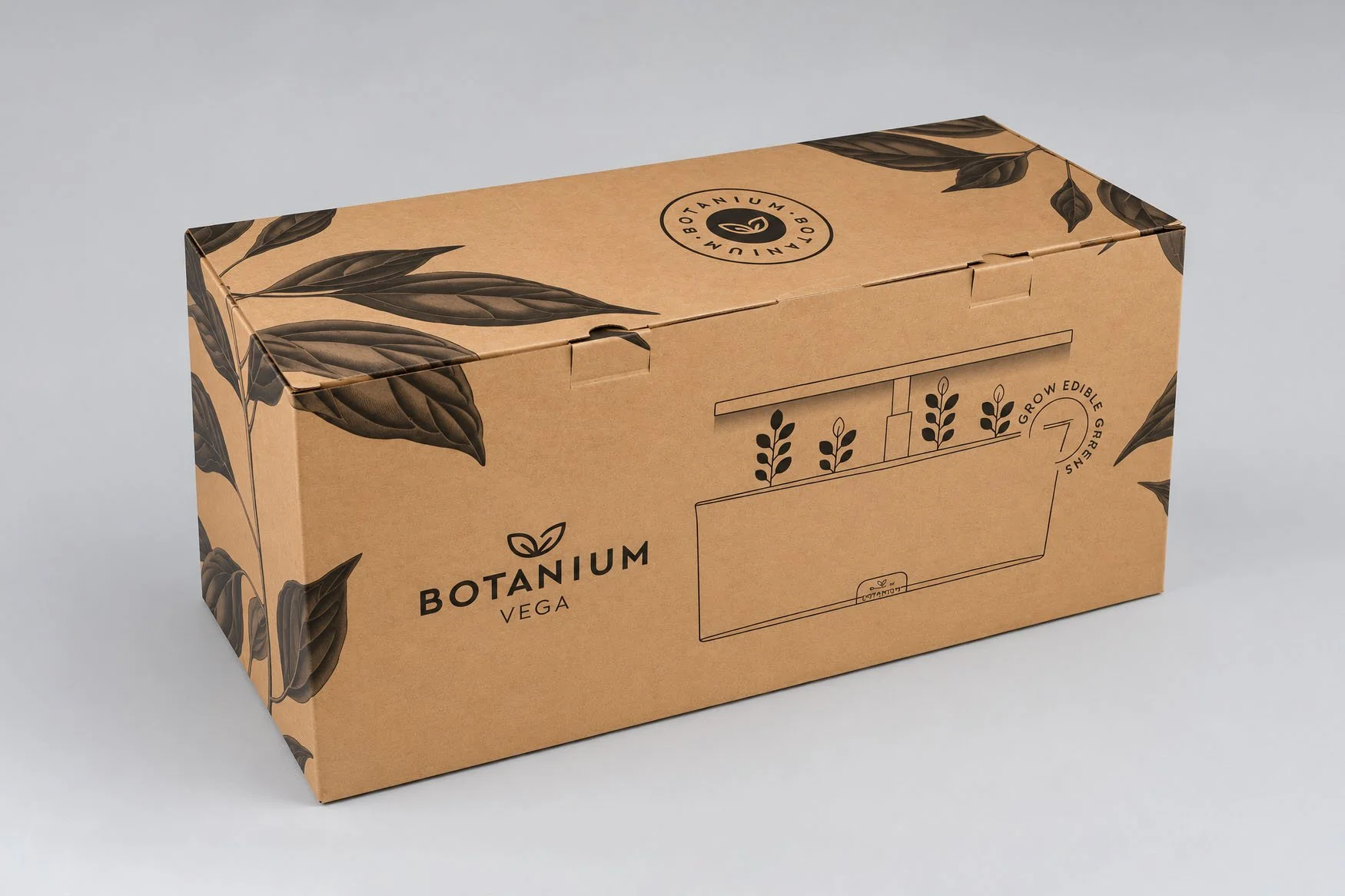
Botanium Vega
2019-2023
The aim of the project was to make a product that assesses customer’s wishes and problems with the first Botanium and to make a competitive indoor gardening product with a focus on:
1. Making it easier to grow your own herbs and vegetables indoors
2. Making the product fit inside a modern home, making it unobtrusive.
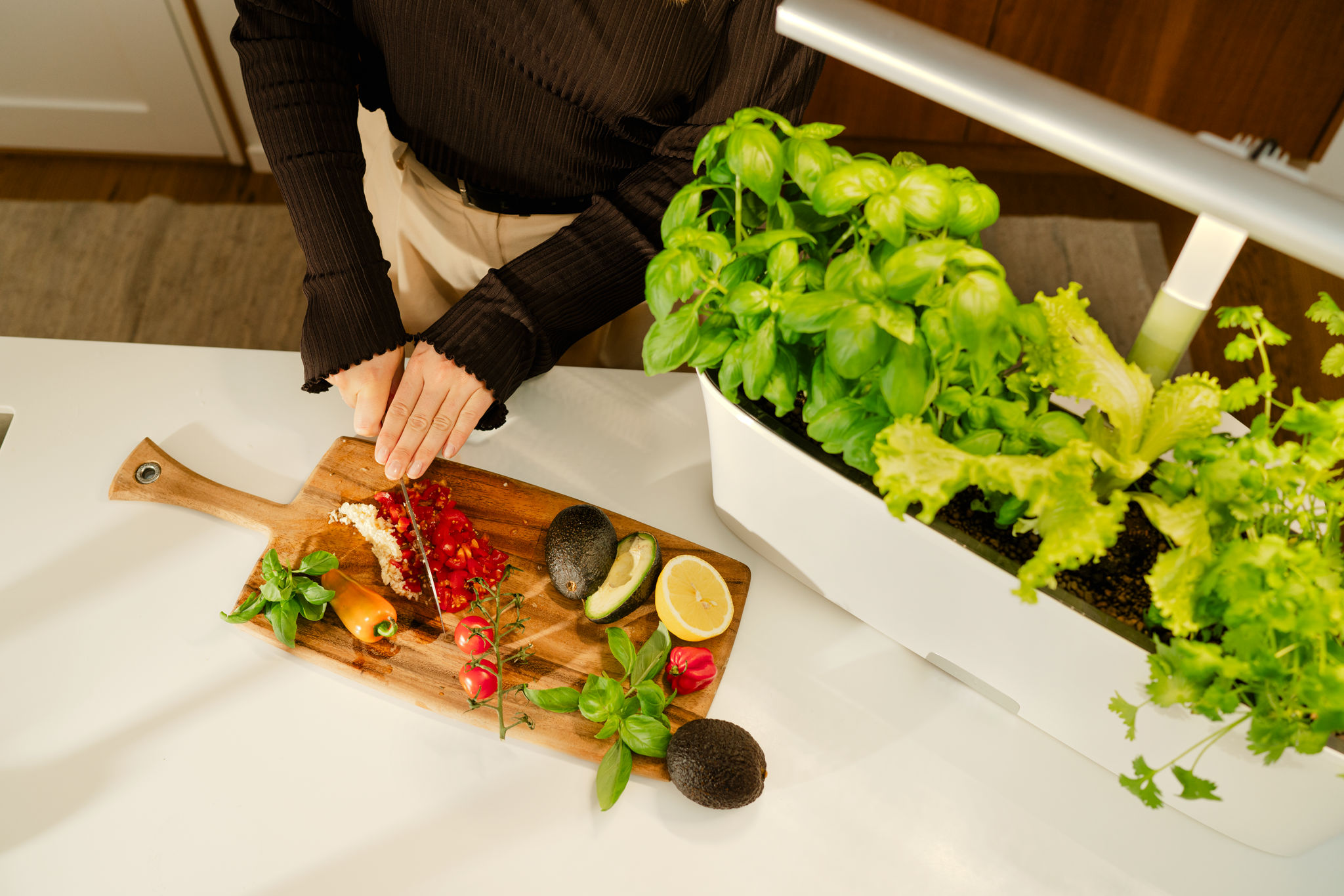
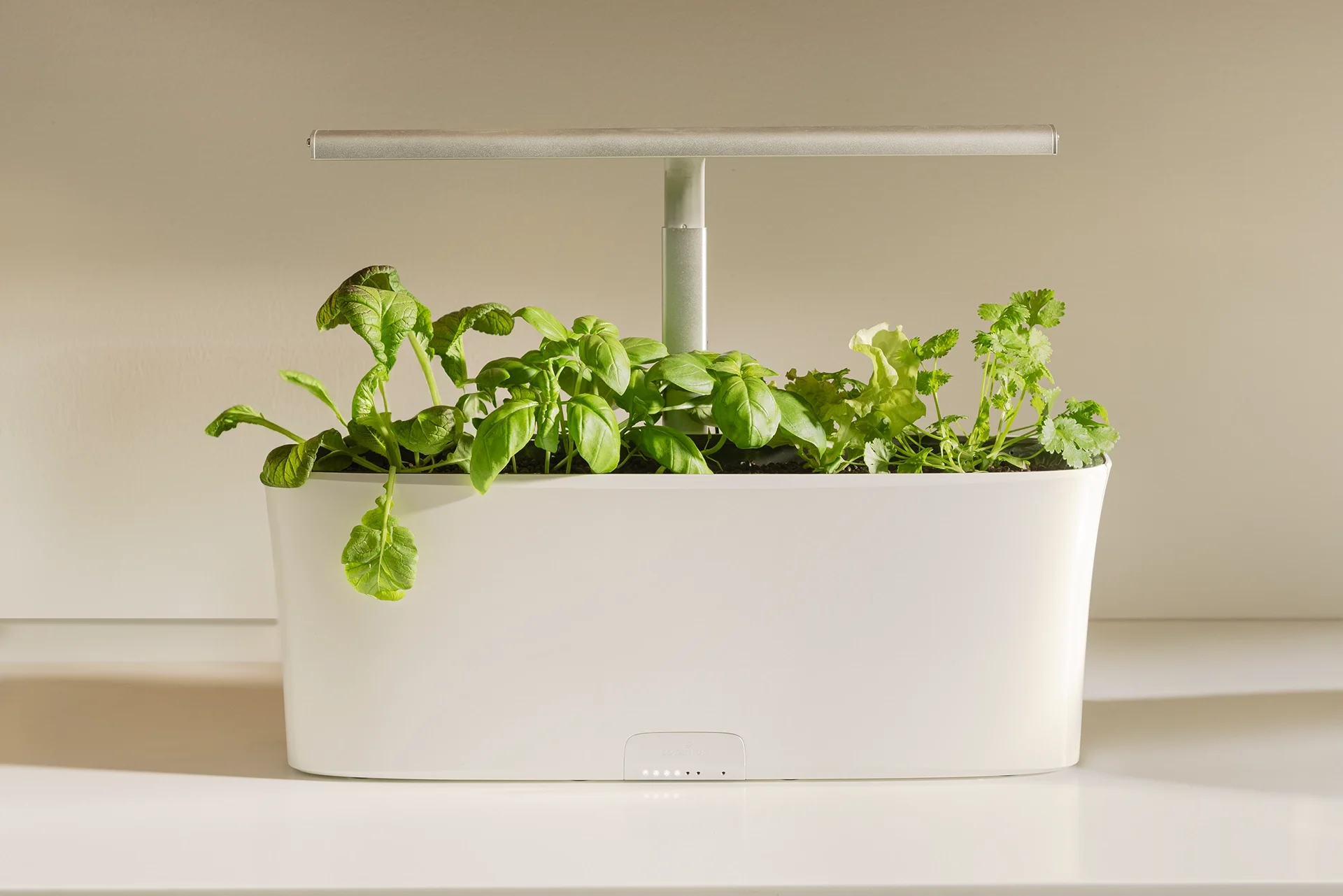
The Botanium Vega is a hydroponic planter - i.e. soil-less growing - that features self-watering, a 5-liter water tank that lasts for weeks, built-in LED grow light adapted for humans as well as plants, and connectivity to the Botanium app for monitoring and control.
My Role & Collaboration
I led the industrial design and development of Botanium Vega, including the physical user experience and the interaction between hardware and software.
For the companion app, I worked on the UX, functionality, user flows and interaction design, collaborating with a graphic designer who was responsible for the visual identity and UI styling.
About Botanium
Founded in 2016, I was one of three founders. Botanium was a technology company founded in Stockholm with a passion for creating innovative products that enable everyone to grow their own food without compromising their modern lifestyle.
Botanium strived to accelerate and simplify urban gardening, enabling everyone to be a grower.
Problems, opportunities & insights
-
![]()
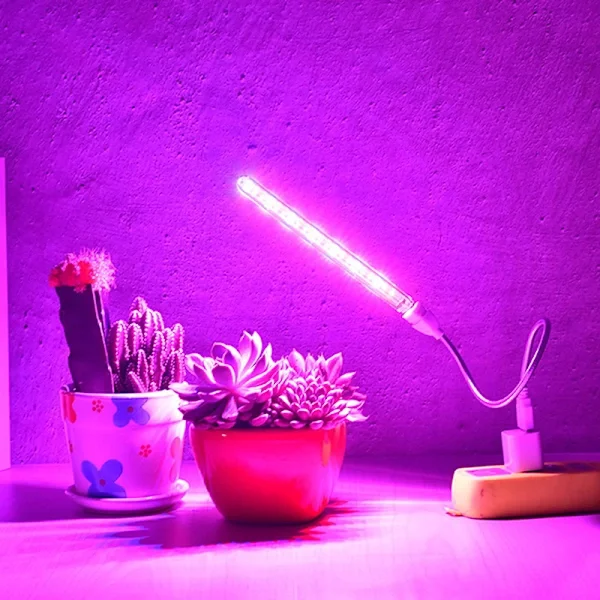
Annoying red/blue grow lights
Many grow lights are equipped with red and blue LEDs, which makes the room light up with unpleasant hues of pink. Thanks to the evolving tech of white LEDS, there now alternatives better for human eyes as well as plants.
-
![]()
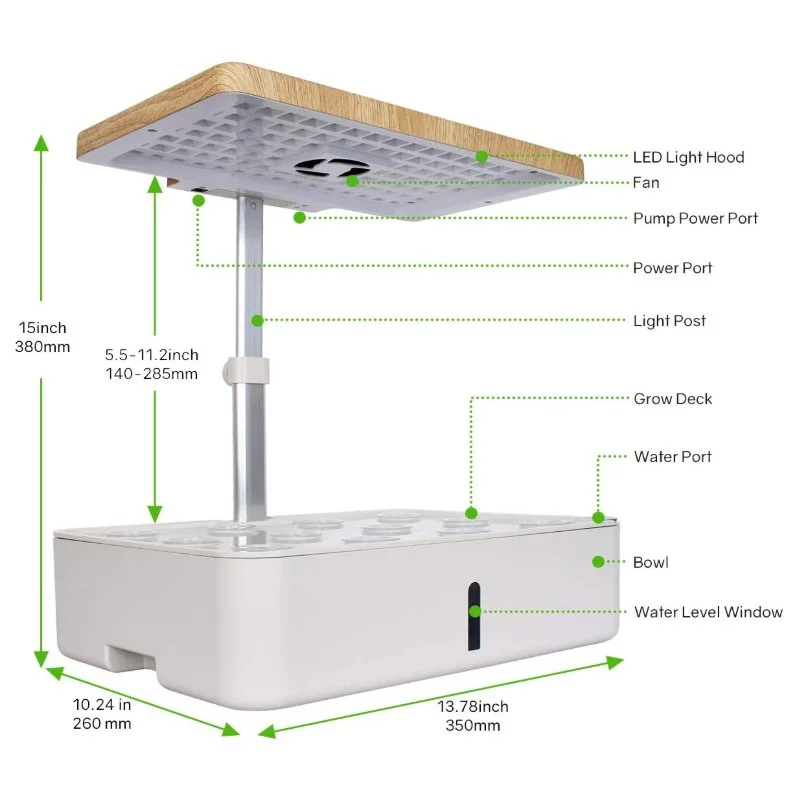
Short lasting water tank
The more plants sharing a tank of water, the shorter it lasts. If you want the tank to last longer, and reduce maintenance, the planter should have a large water tank compared to the growing space.
-
![]()
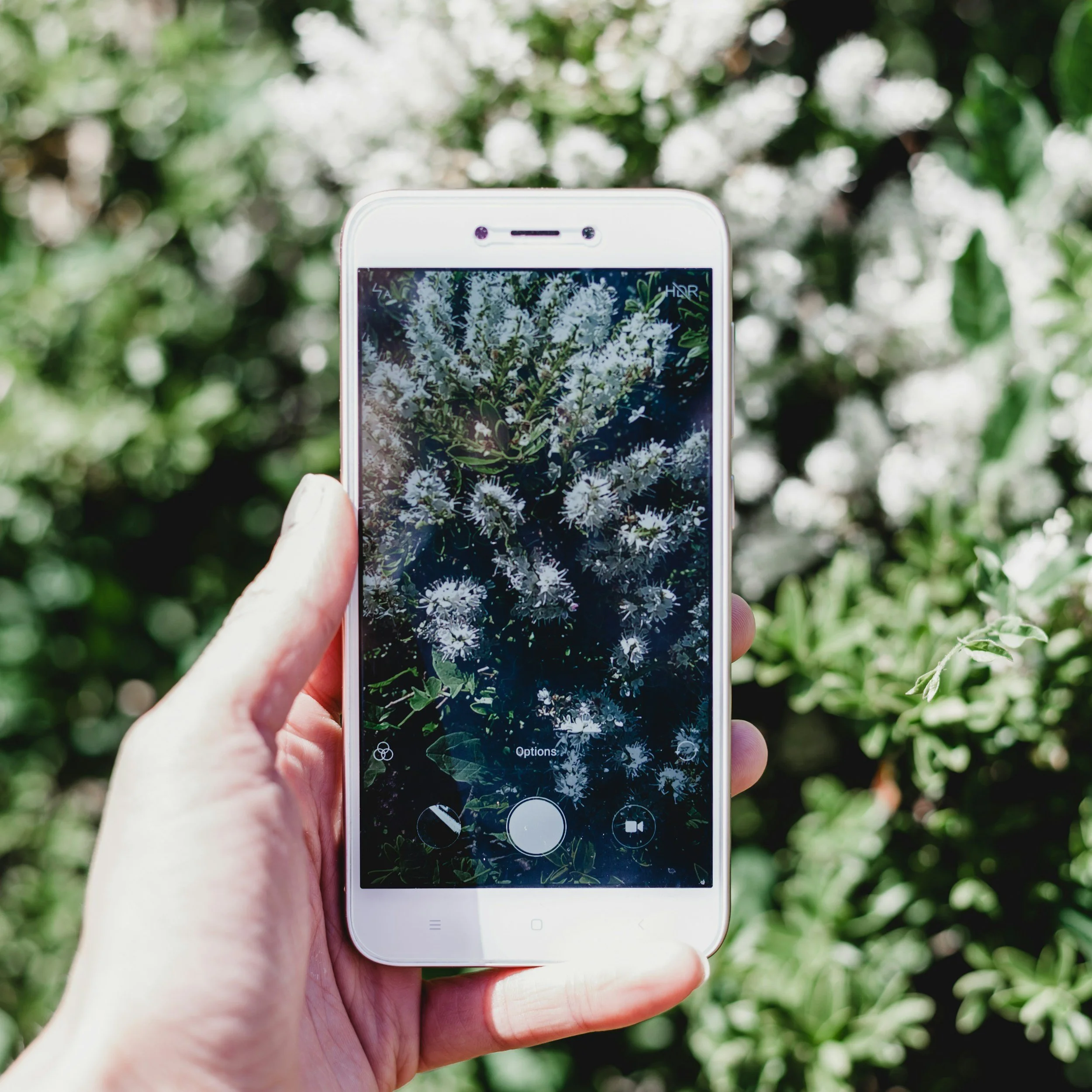
Underdeveloped apps
There is an opportunity to create a more useful app than currently exists for smart gardens. One that, rather than being a IoT gimmick, actually helps the user to understand the plant’s needs.
-
![]()
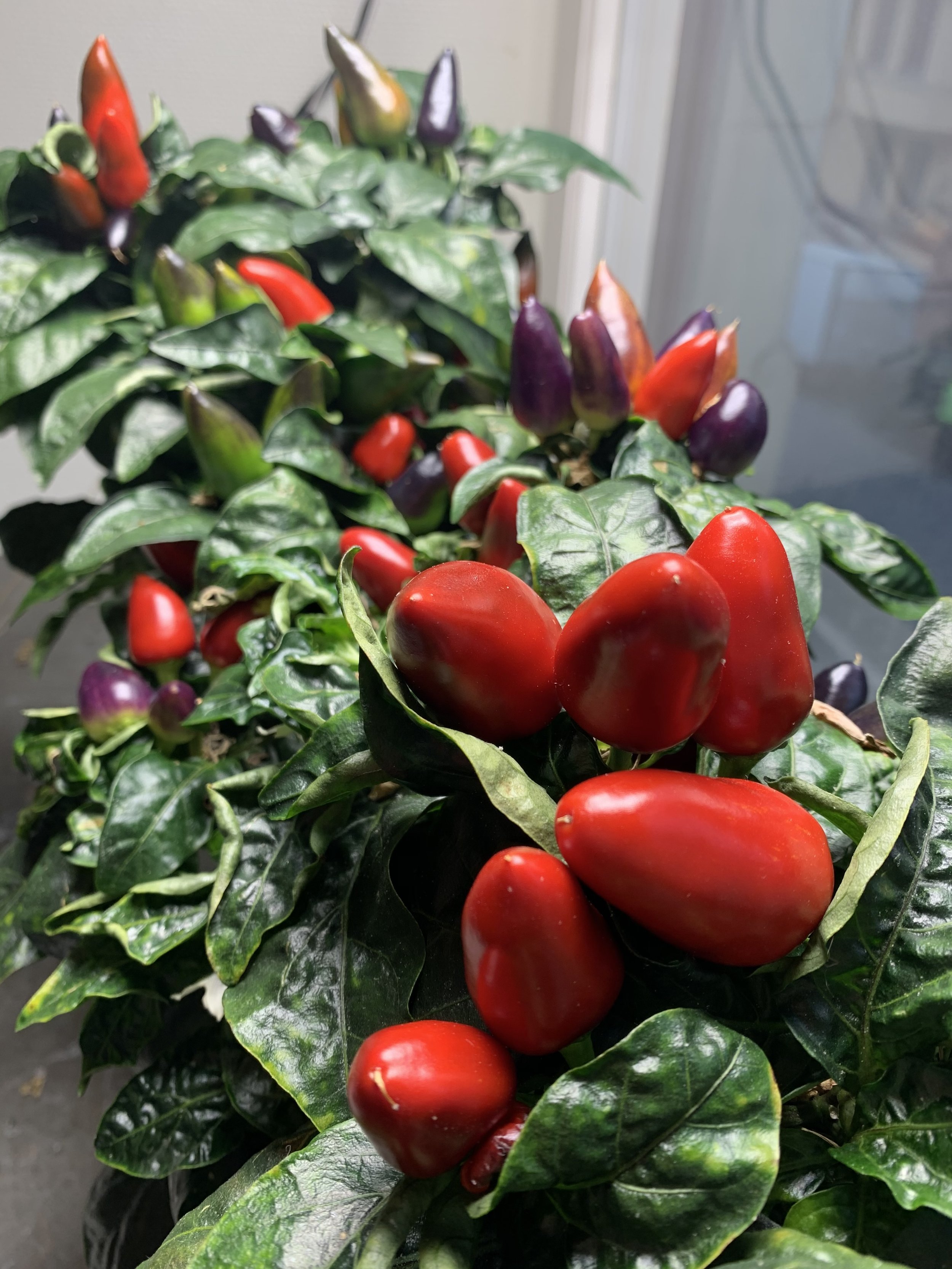
Not suitable for veggies
Most smart gardens are optimised for small herb plants and struggle with vegetables such as chili peppers or tomatoes due to the limited root space and water tanks.
-
![]()
Limited, wasteful and expensive seed pods
Many systems use proprietary seed pods, which are expensive plugs pre-loaded with seeds and nutrients. These plants are expected to grow a few weeks, and then discarded when the nutrients run out.
-
![]()
Improving our first product
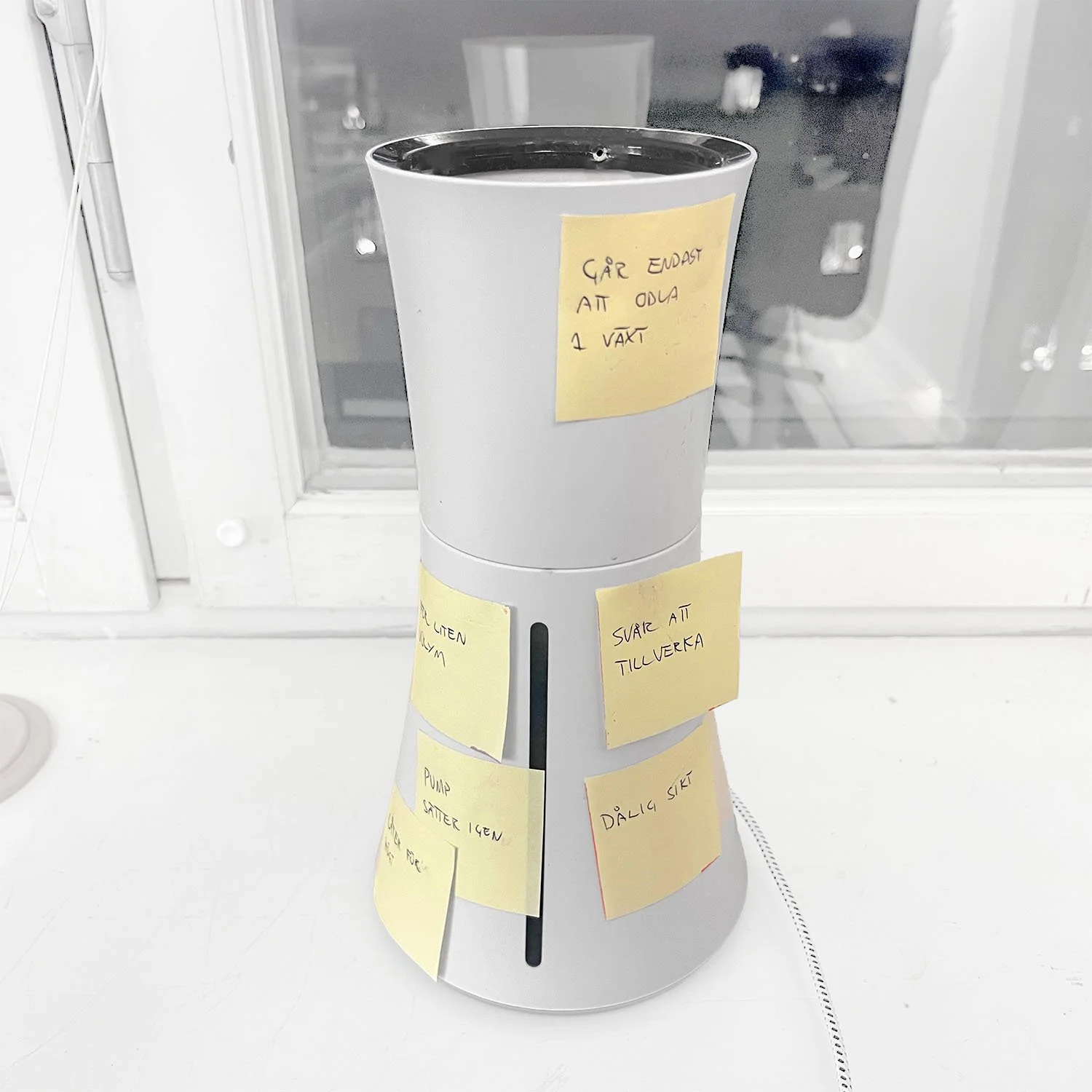
Finally, we also took a look at our own product. What could we improve based on user feedback and our own experiences?
From user feedback we had learned that a grow light, longer lasting water tank, and an app were some requests.
We also realised we could make improvements in manufacturability.
-
![]()
A growing market
Indoor gardening is a trend that is growing year after year. As more people move into cities, there is an opportunity to bring back nature to their surroundings and enable them to become urban farmers.
People also benefit mentally from growing as the presence of plants increase psychological wellbeing.
Design process
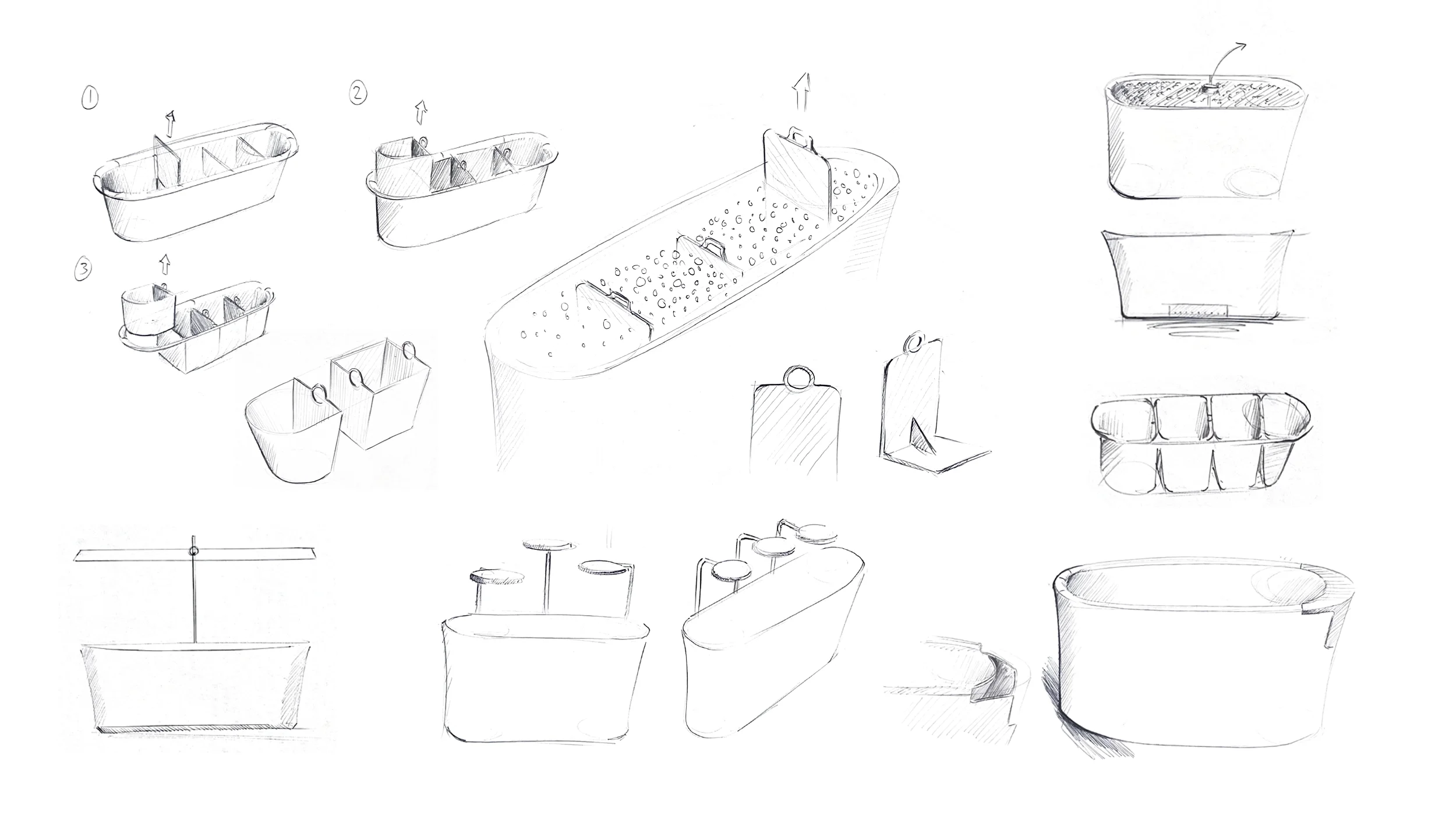
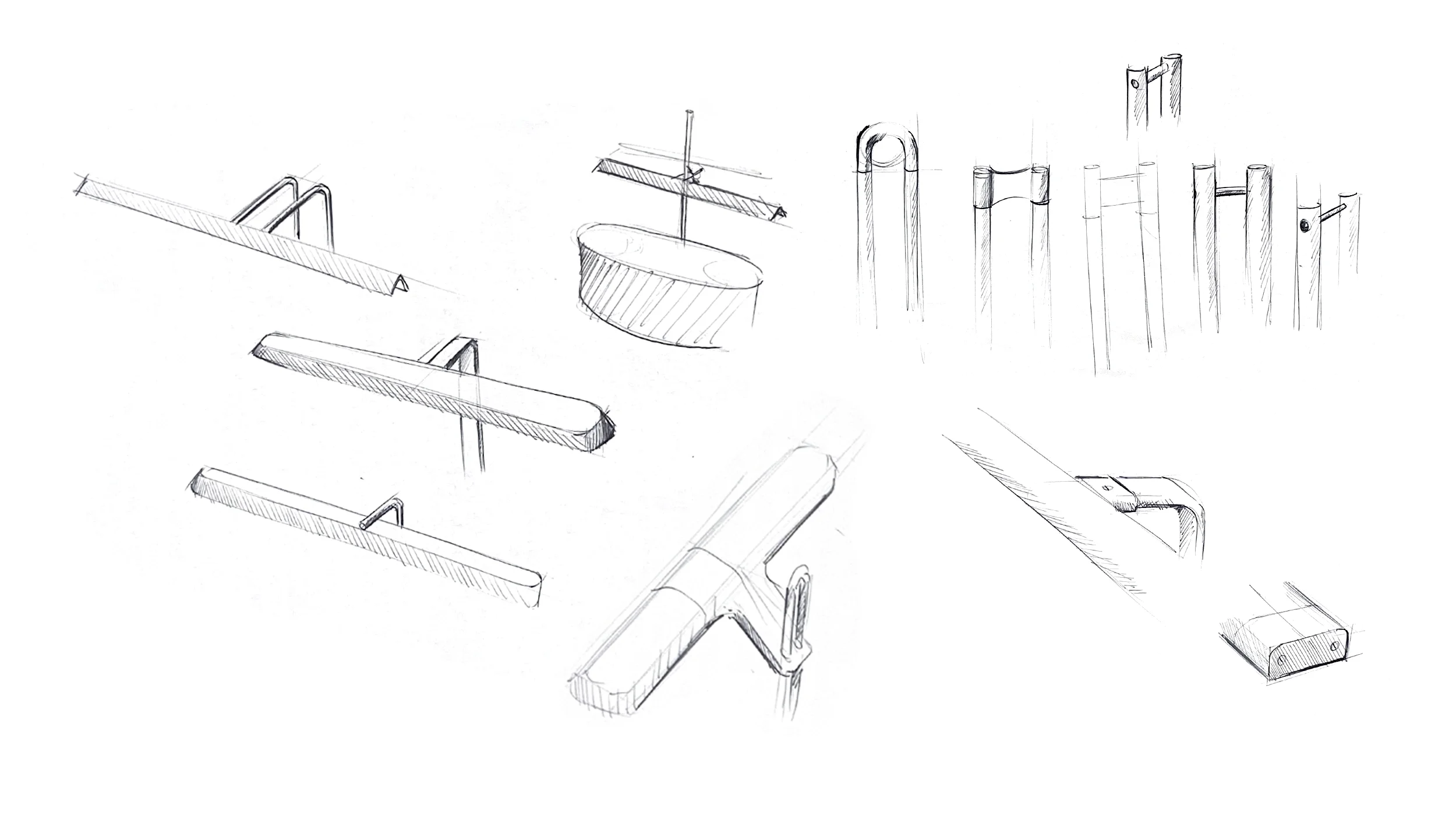
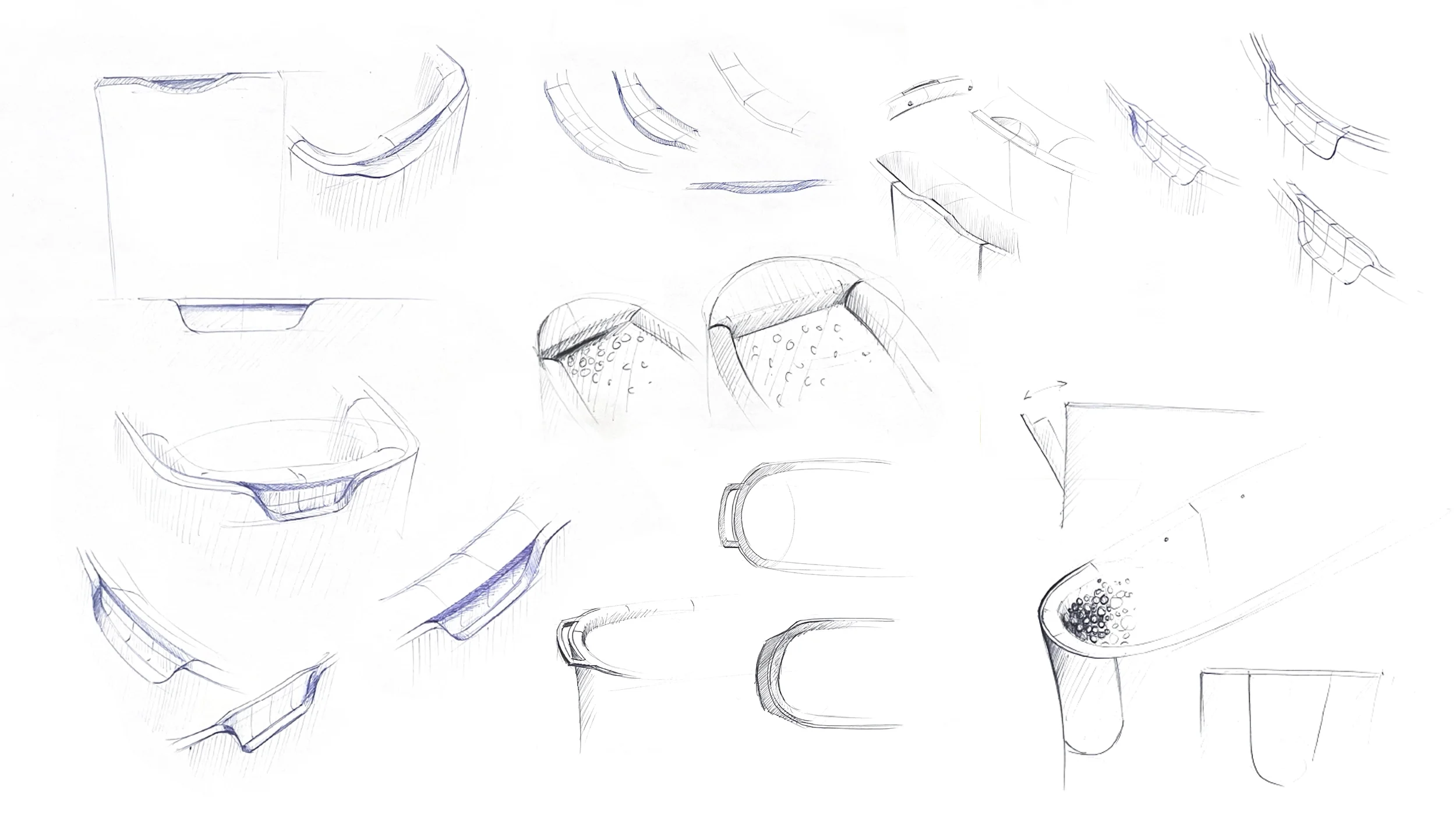
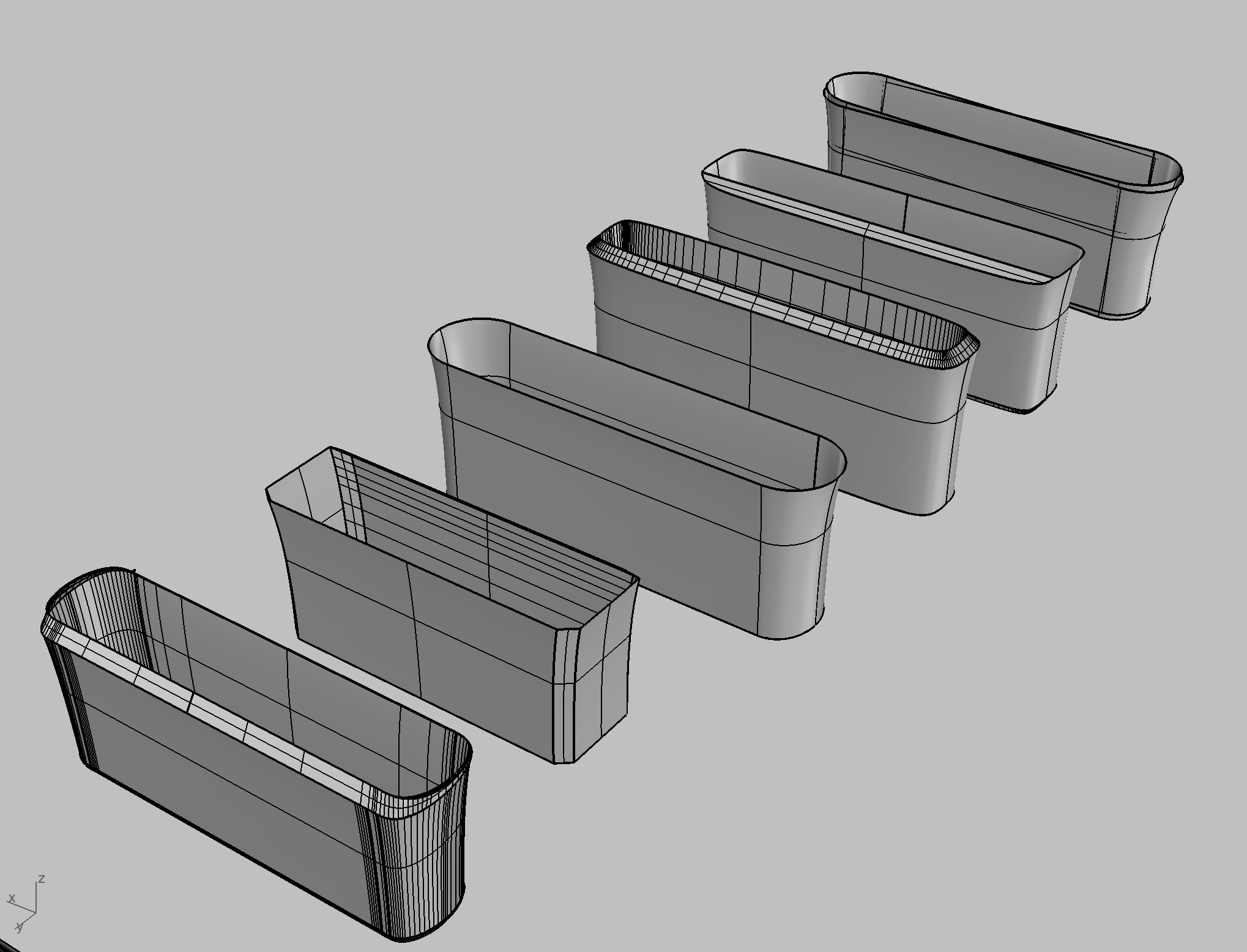
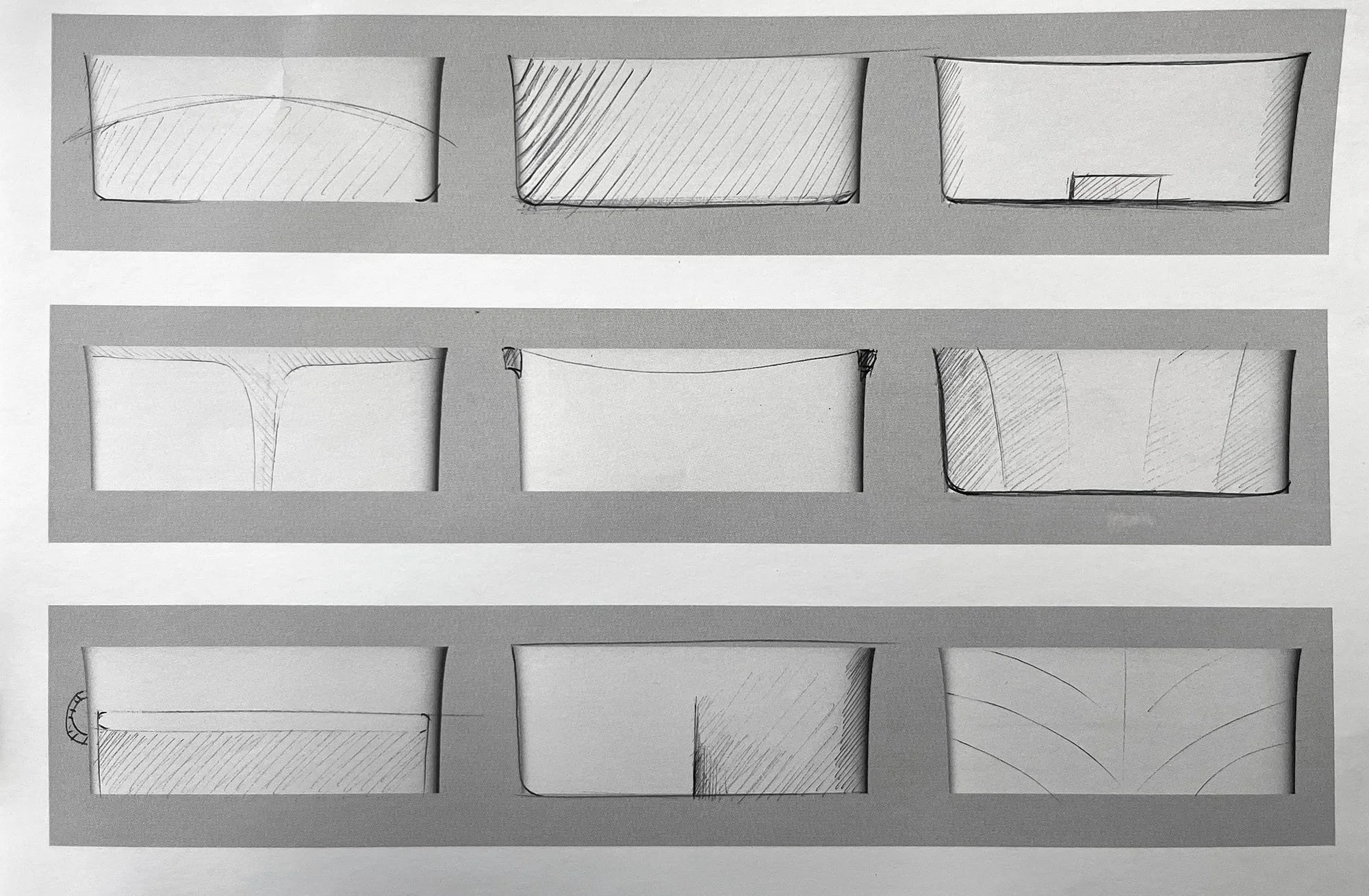
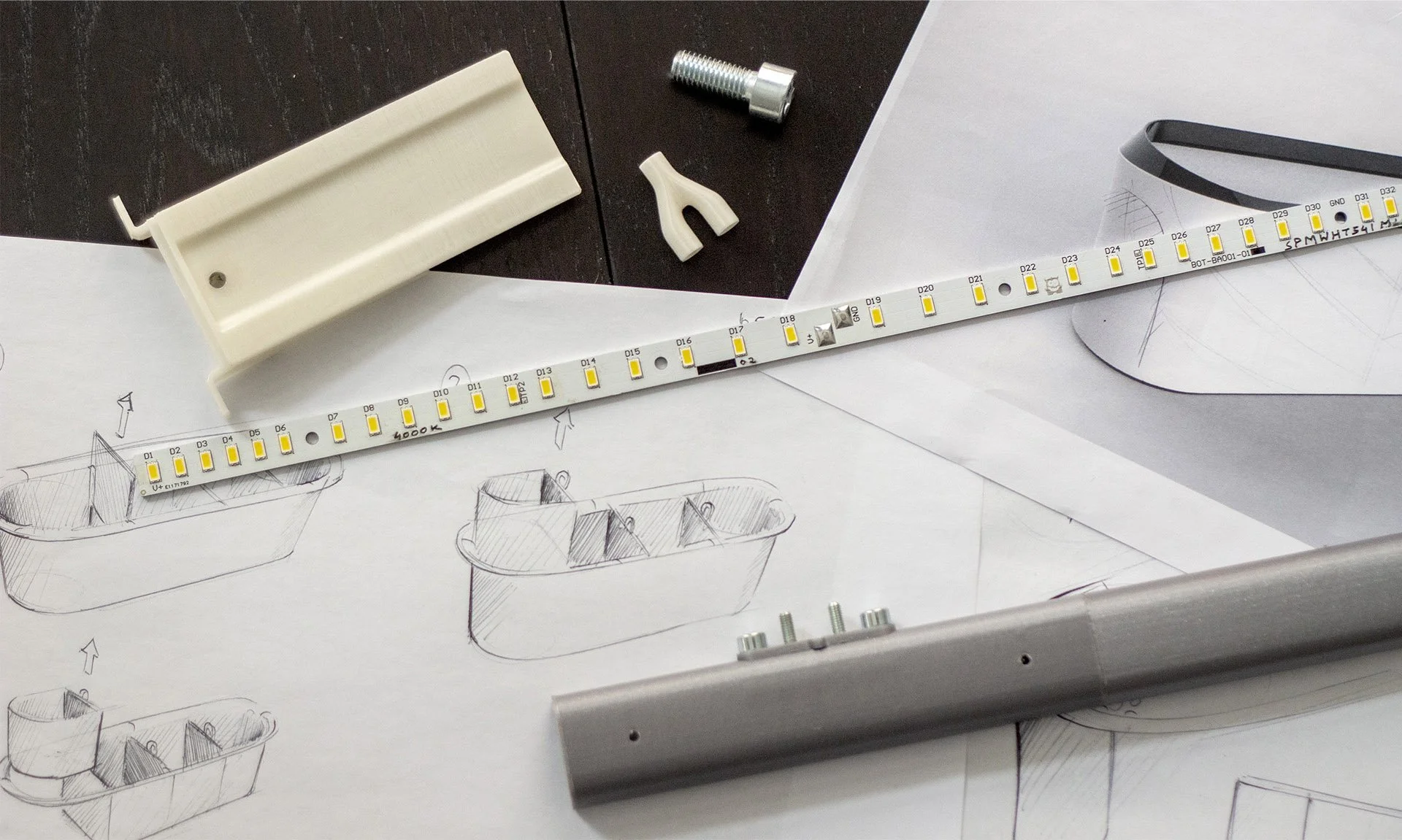
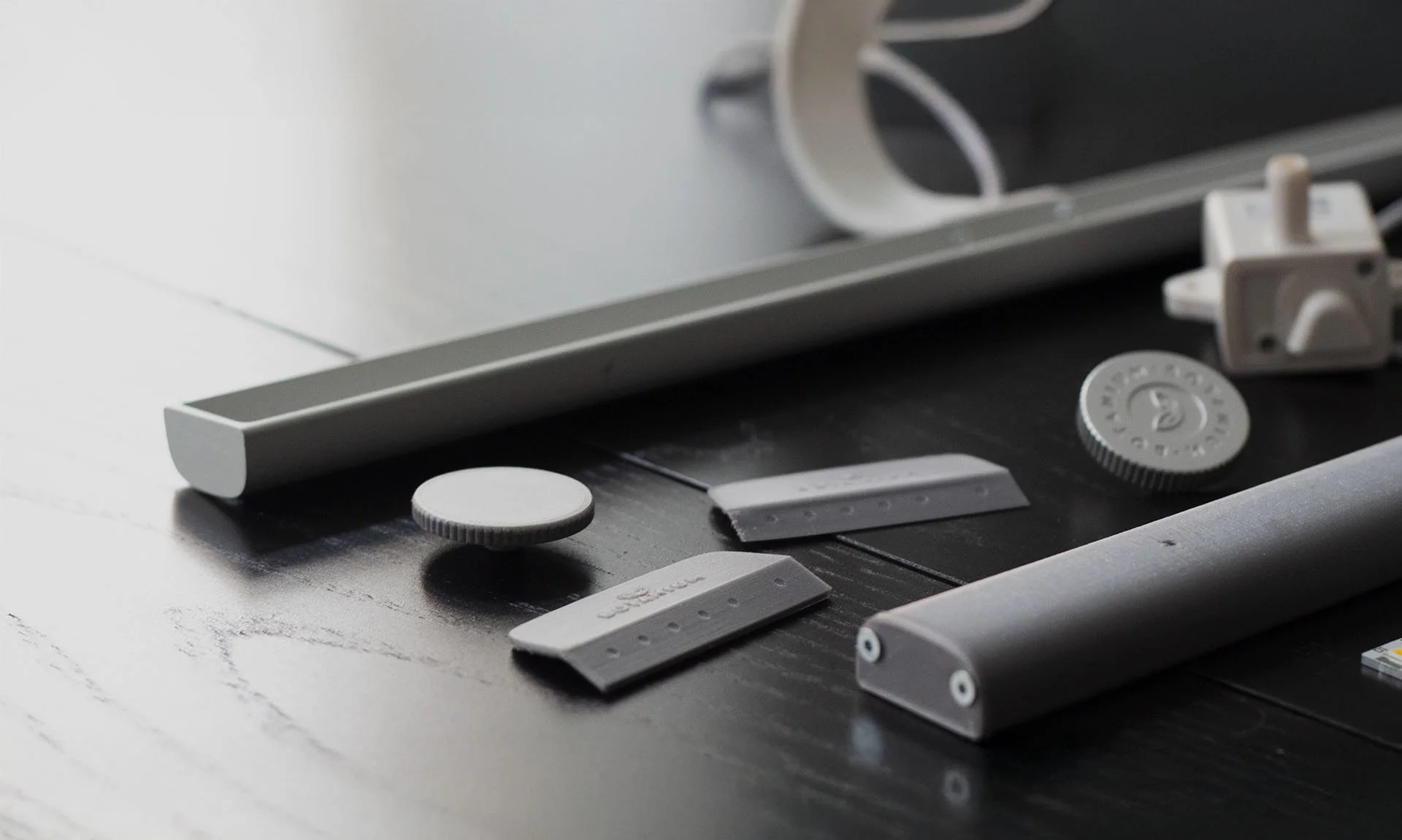
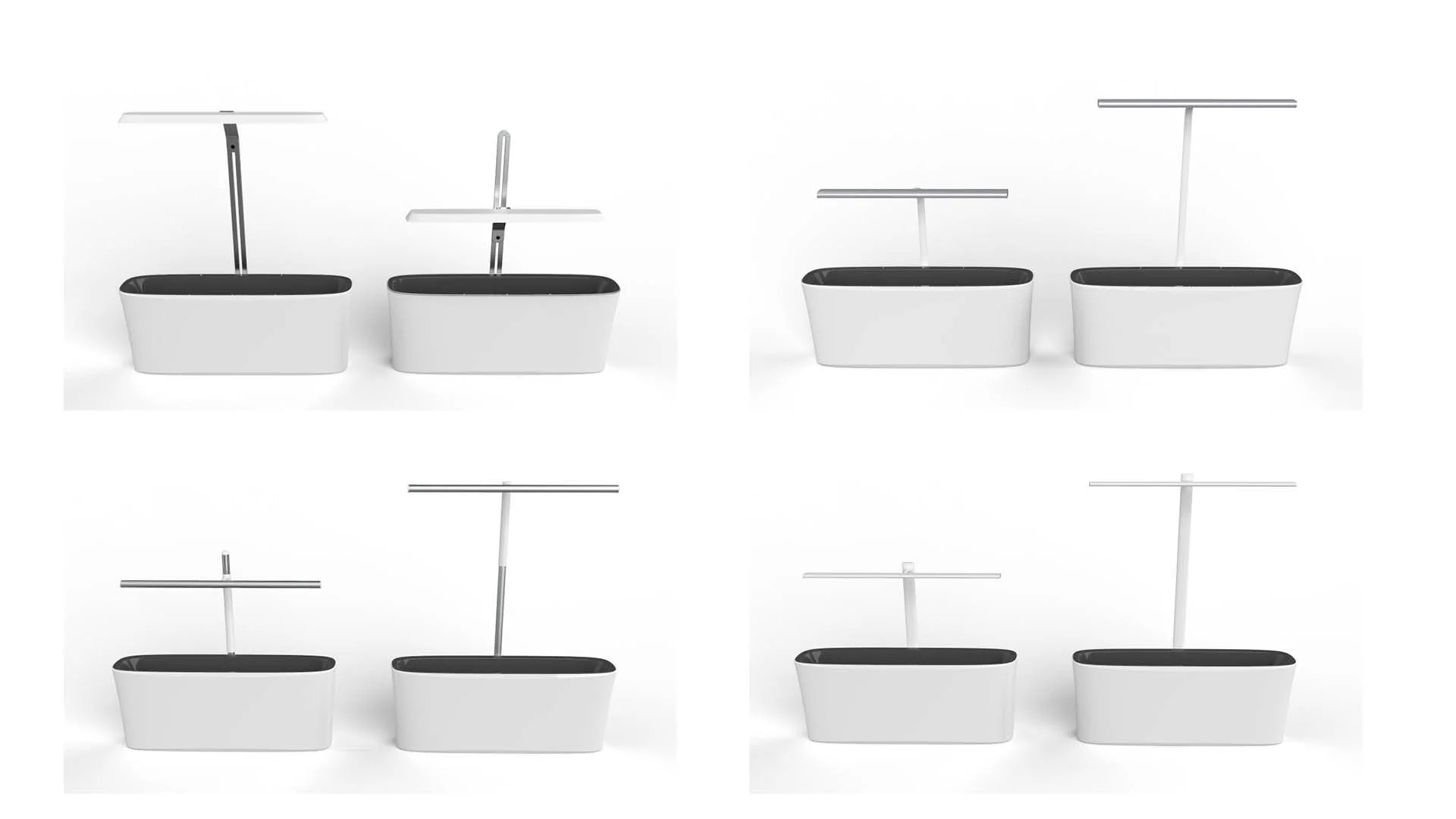
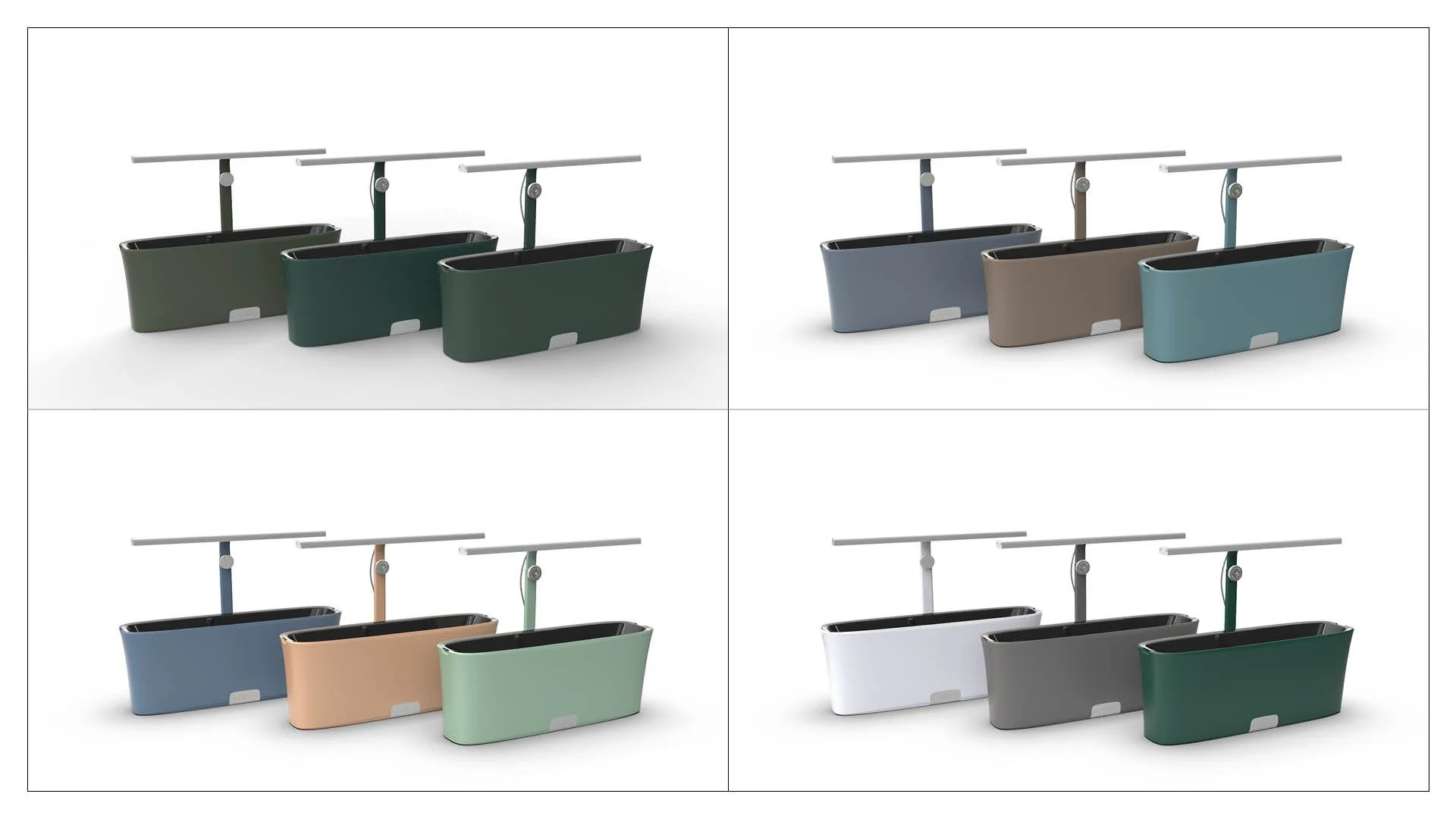
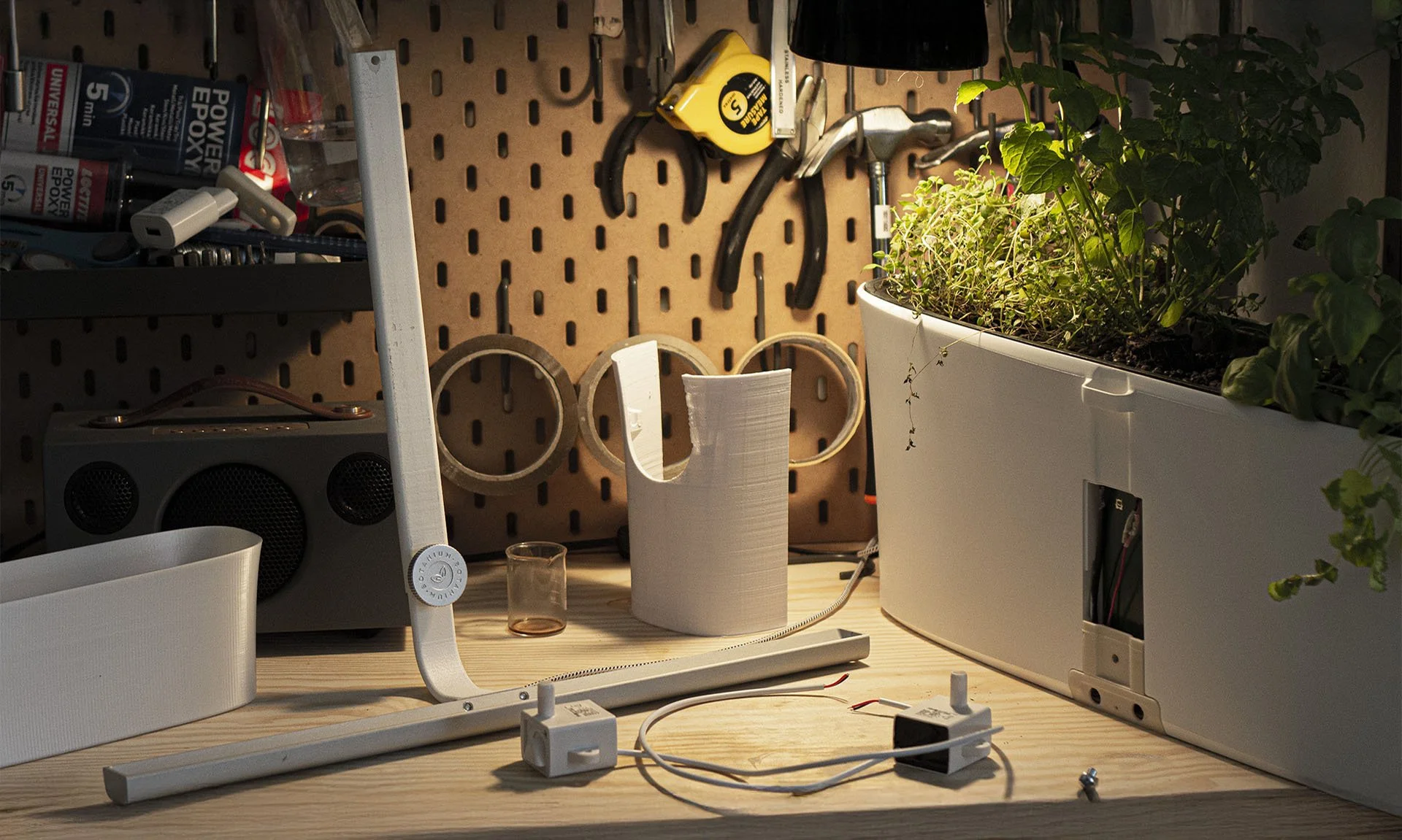
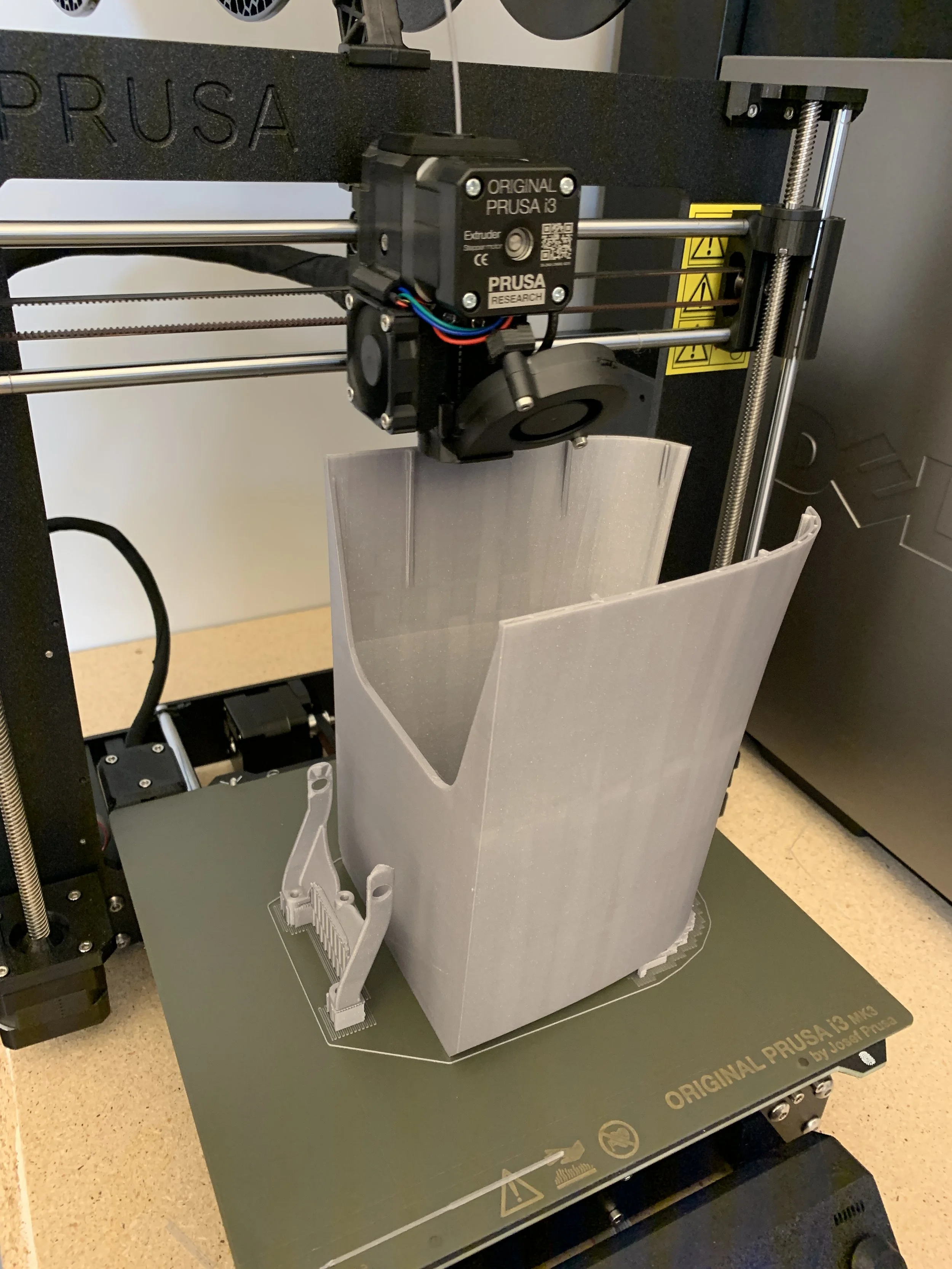
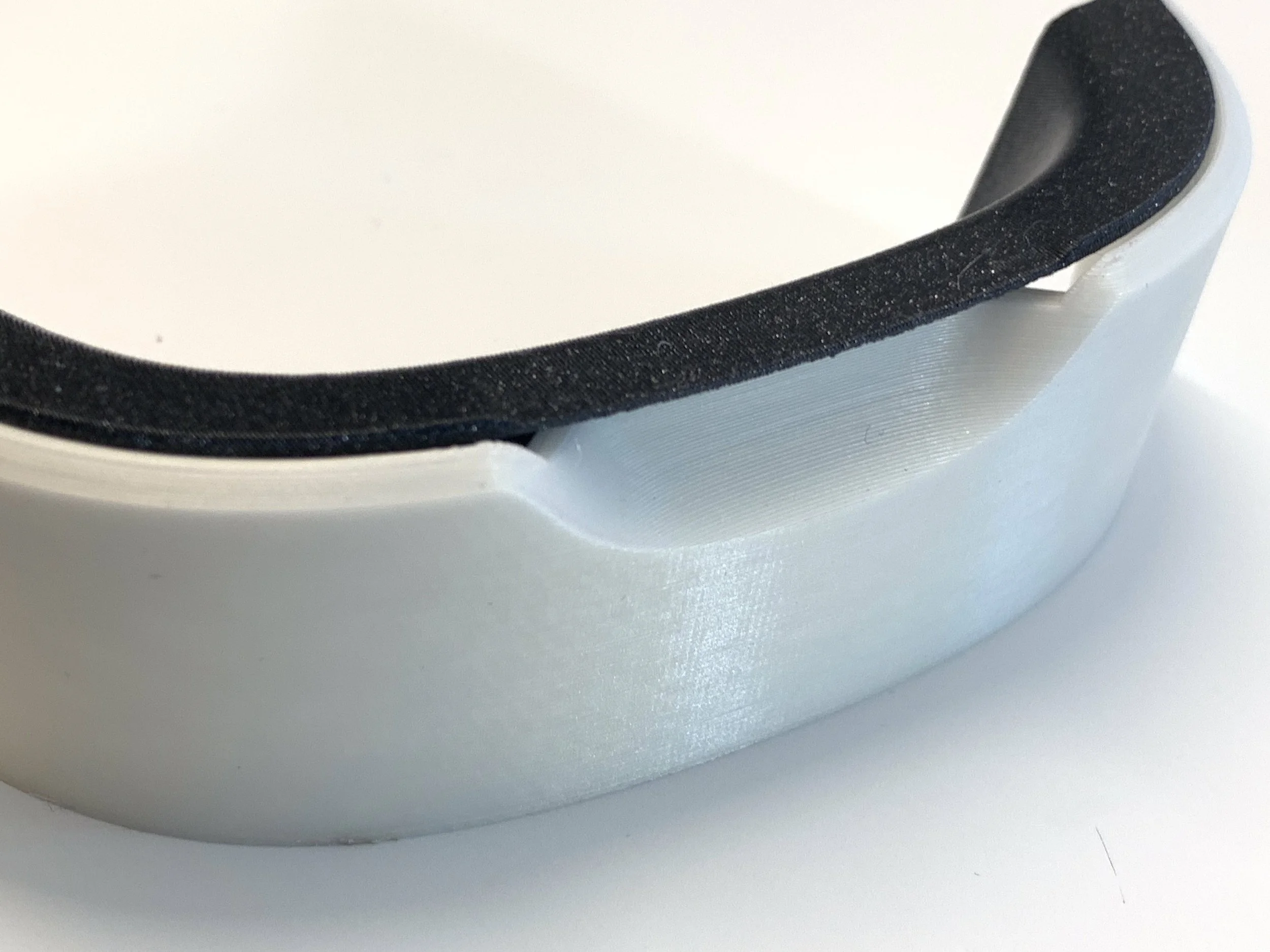
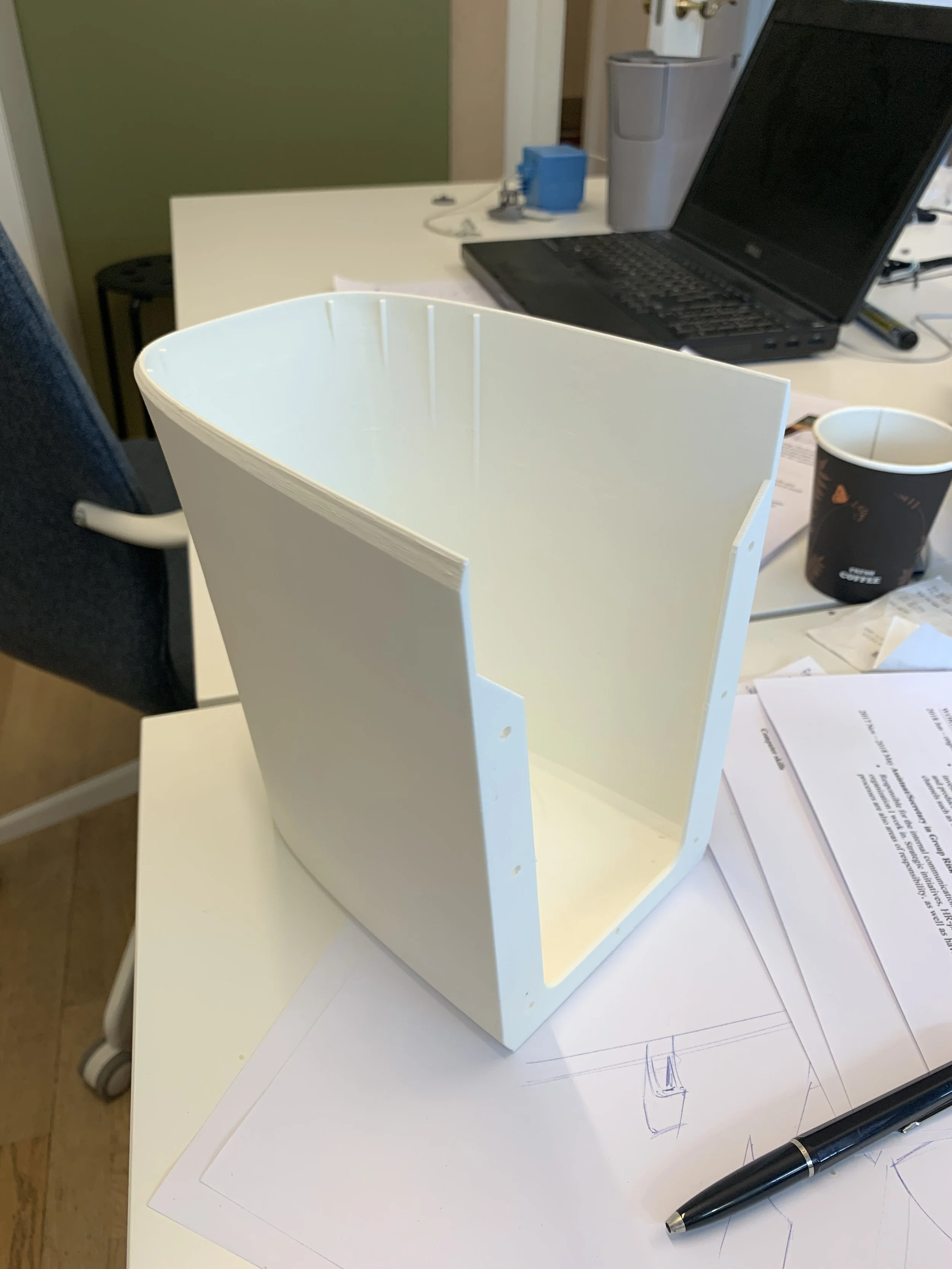
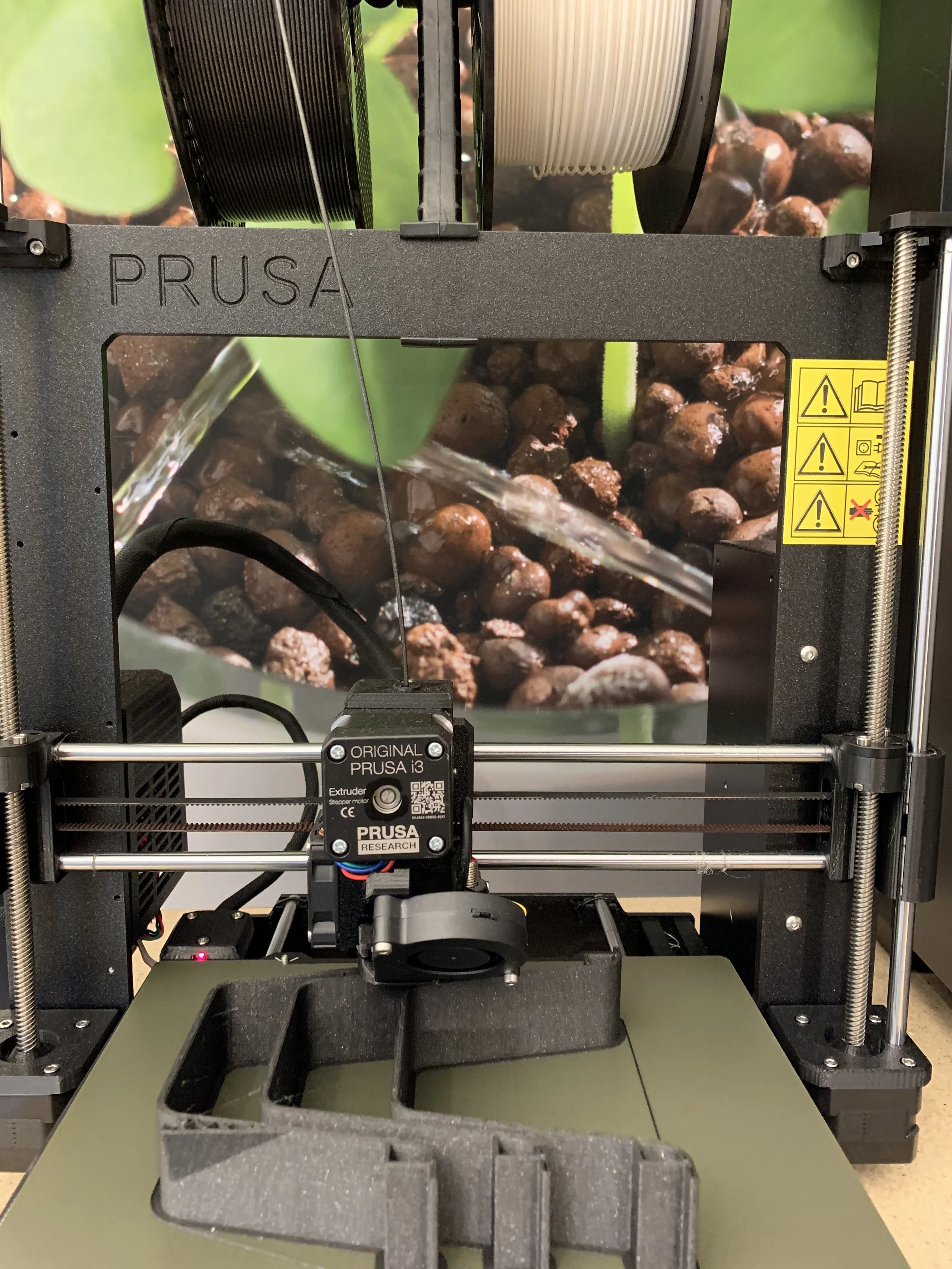
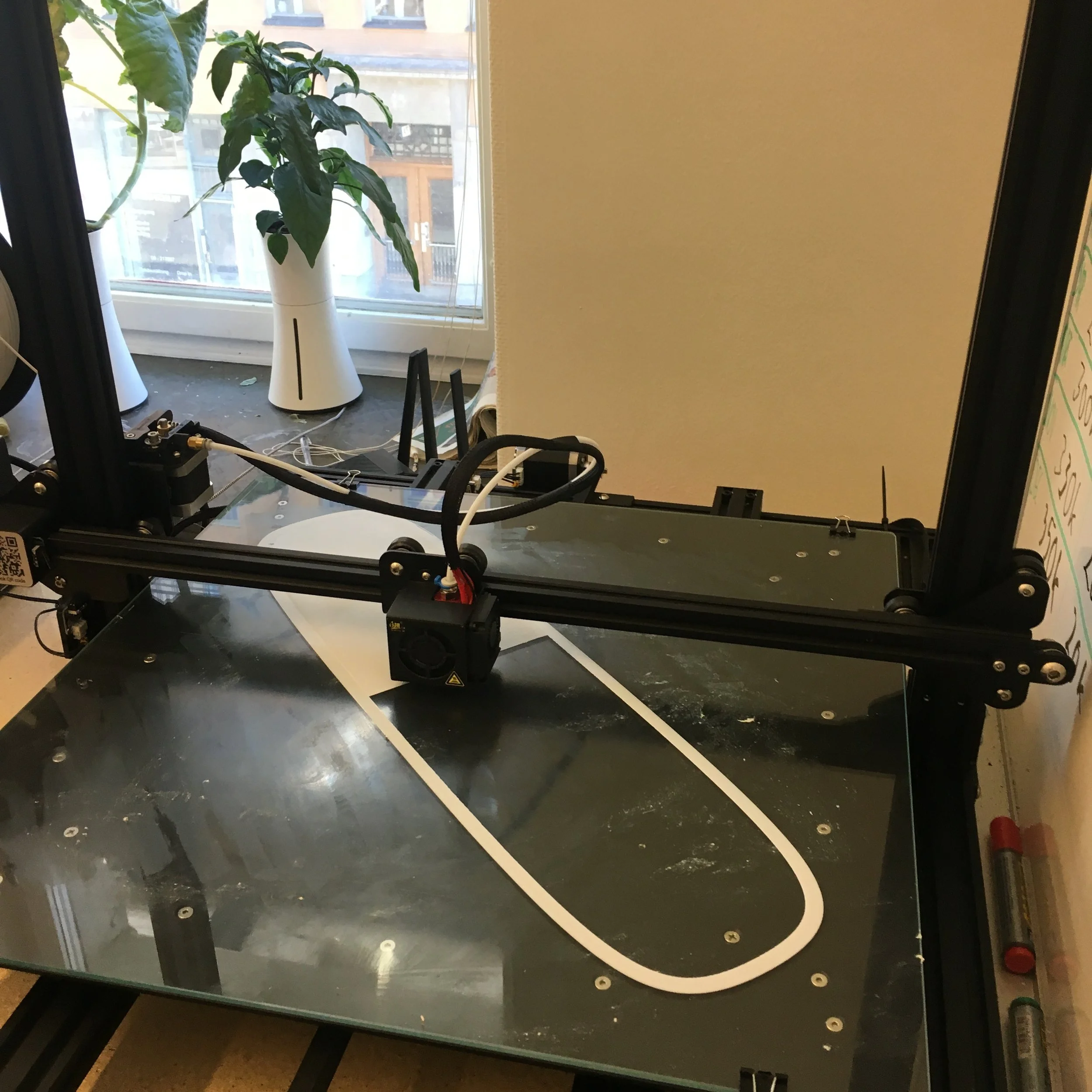
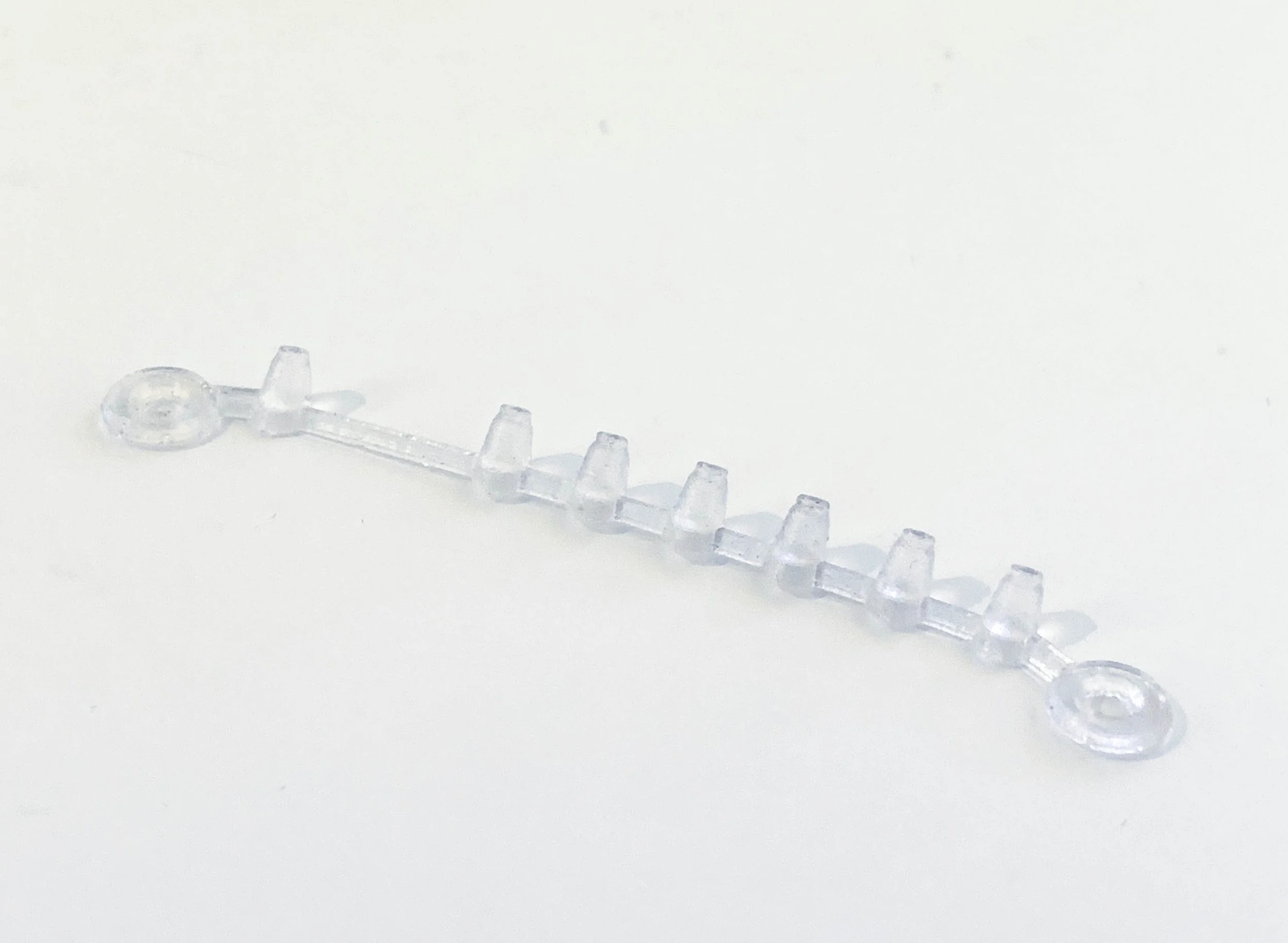
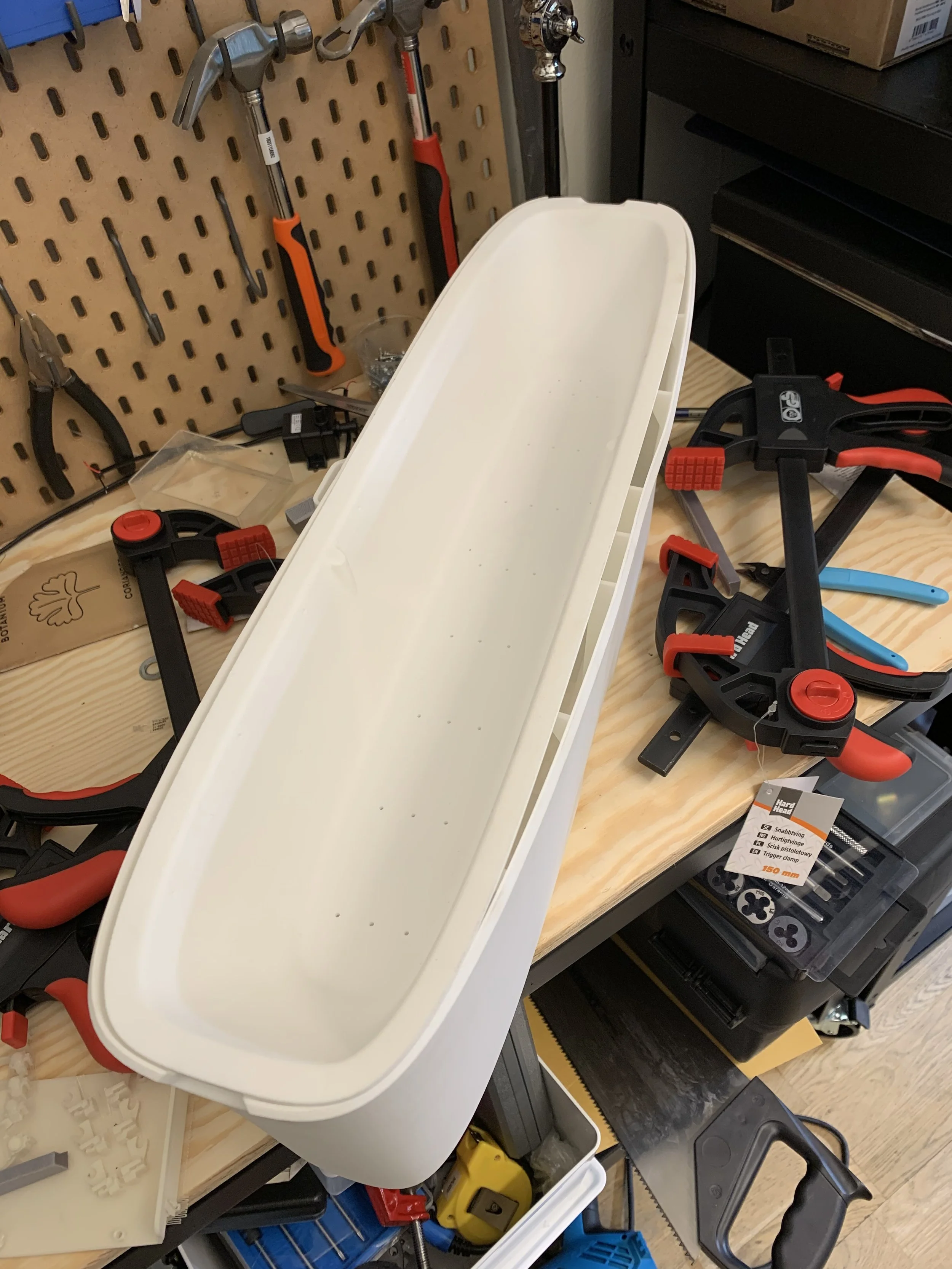
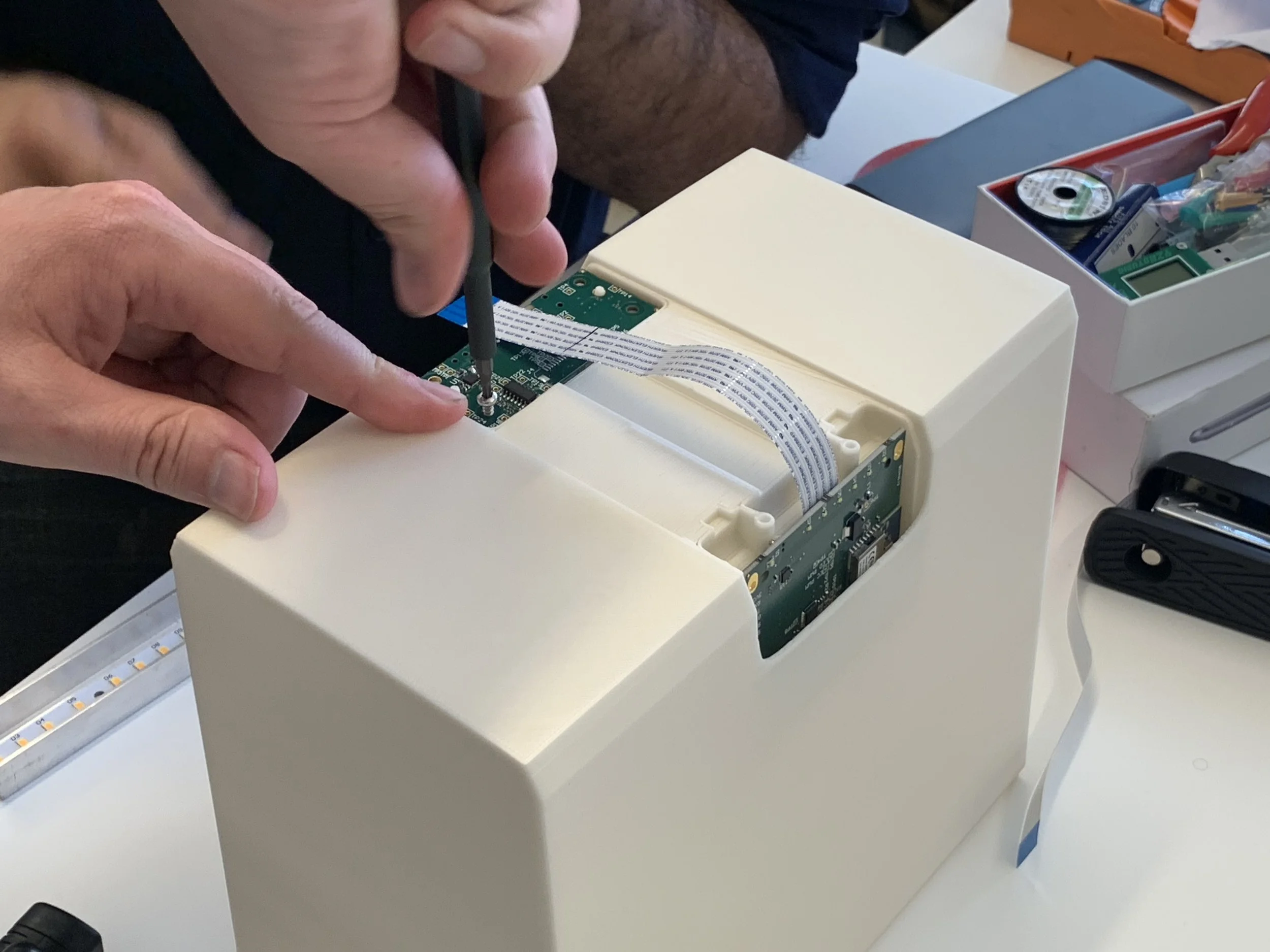
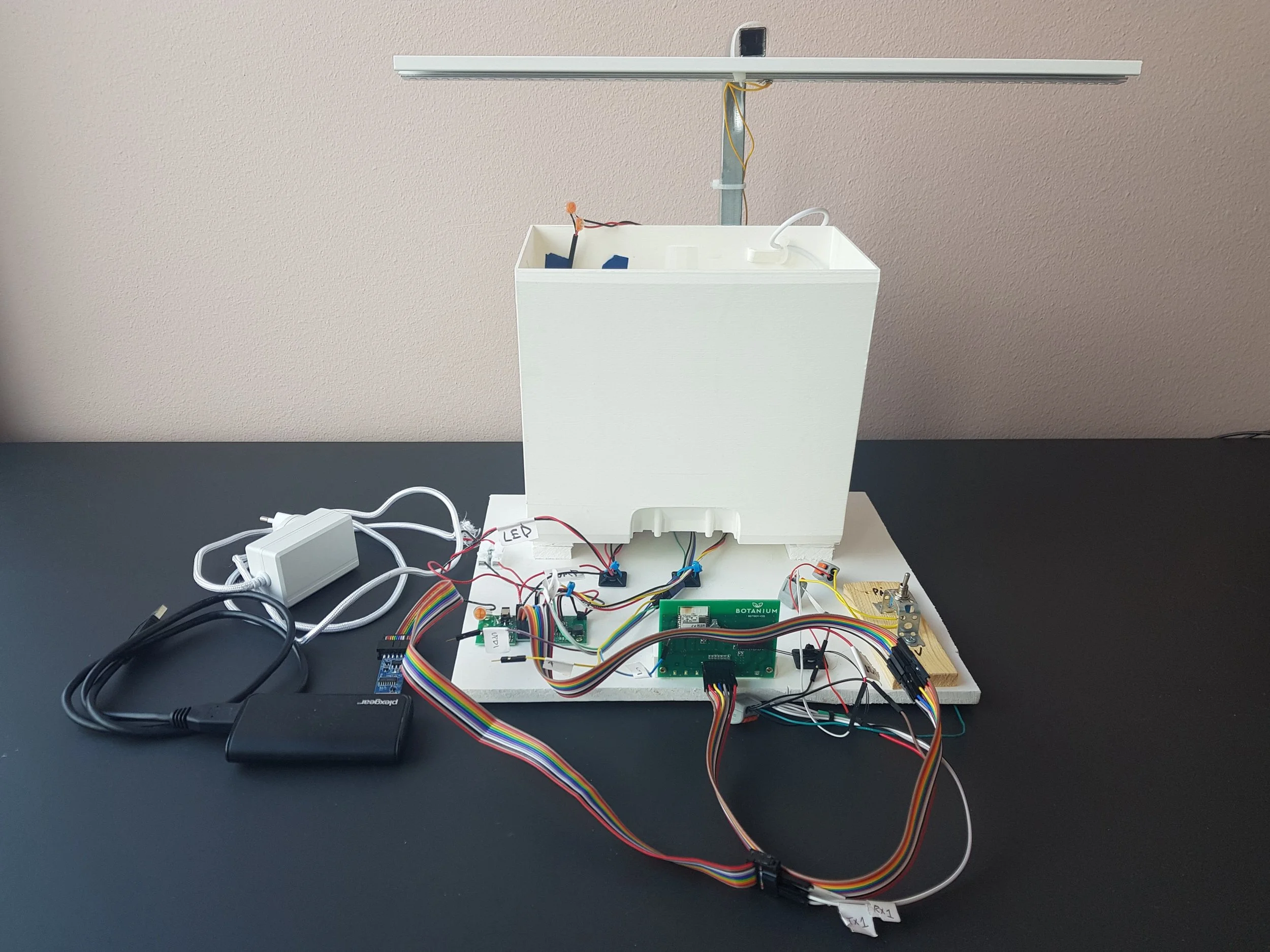
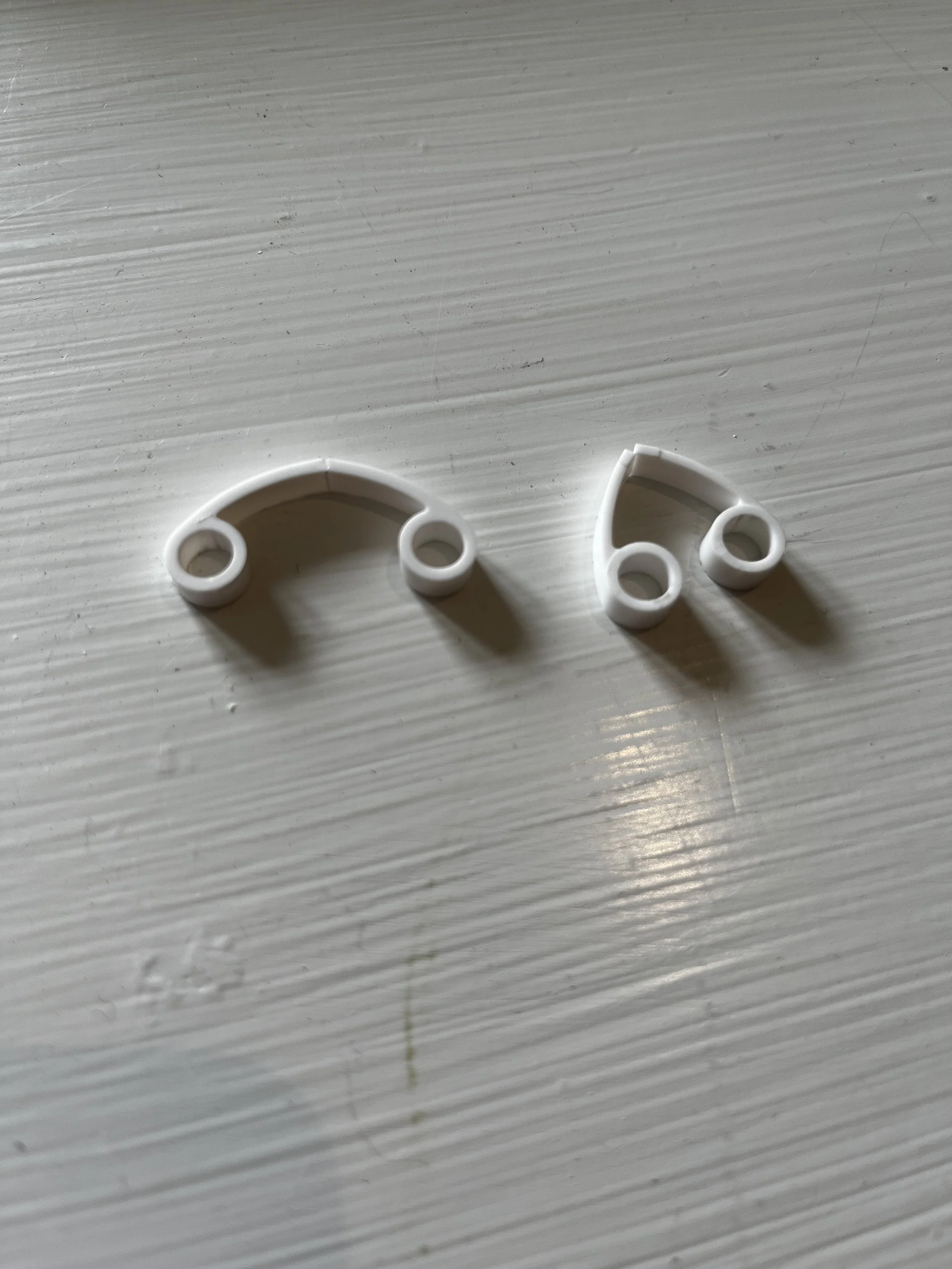
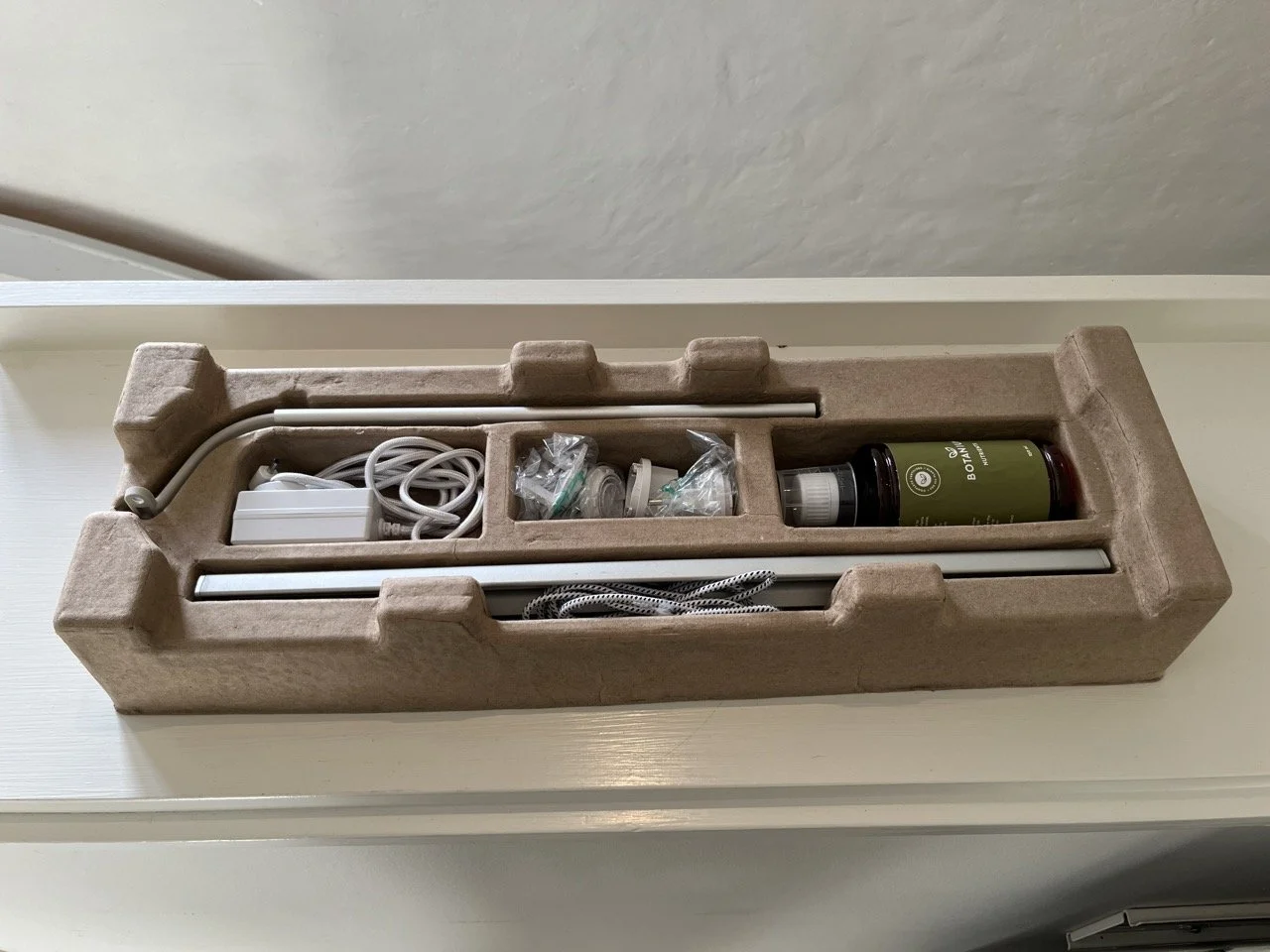
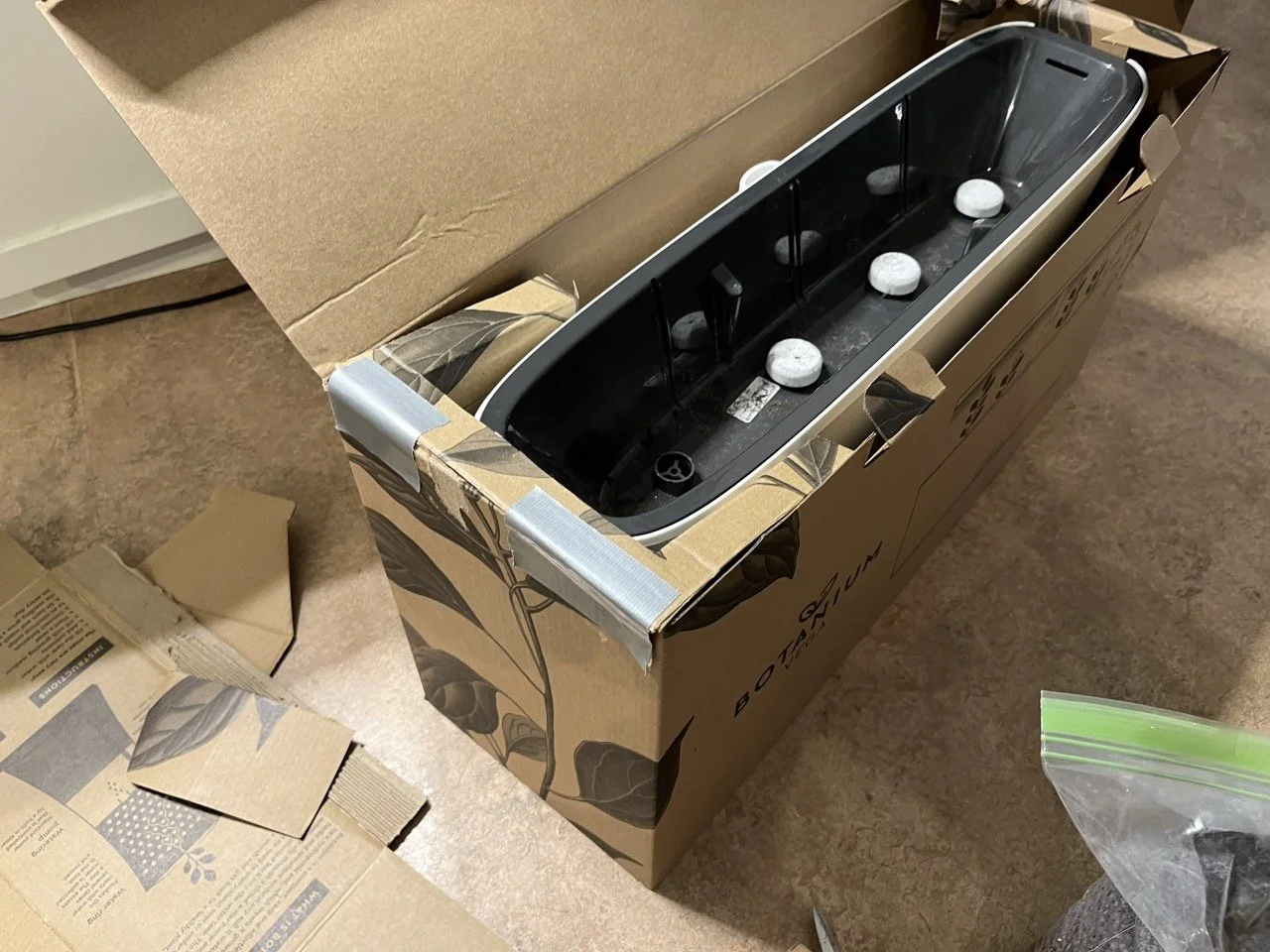
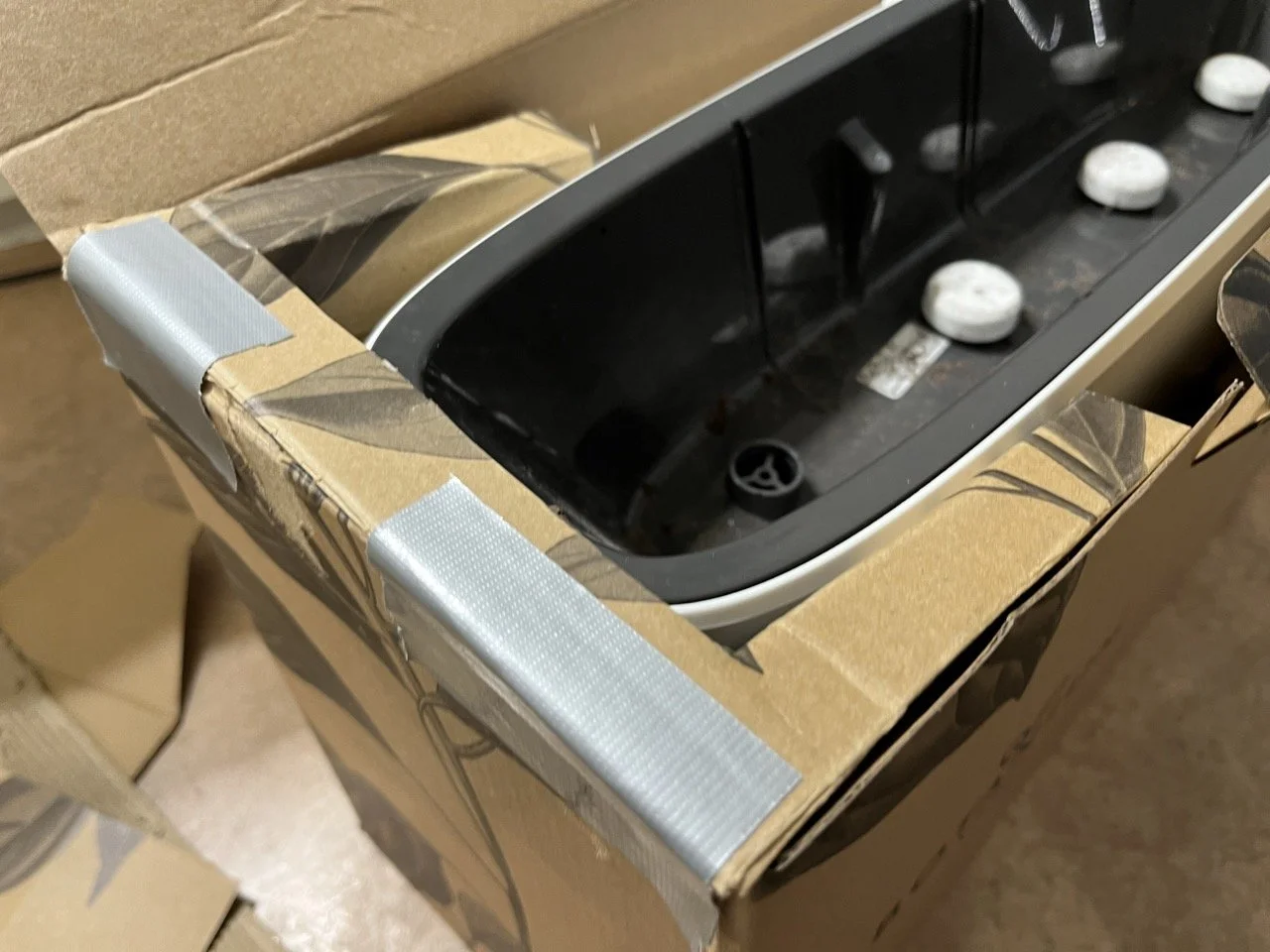
A crucial part of making a product is to not only define what it should be, but also what it should not be. For instance, in the end we discarded the idea of powering it with built-in solar cells when we realised how big the cells needed to be in order to power it, and also that the sunlight would not be enough in winter.
We instead opted for a product that relies on a grow light, and thus can be placed anywhere.
Final product
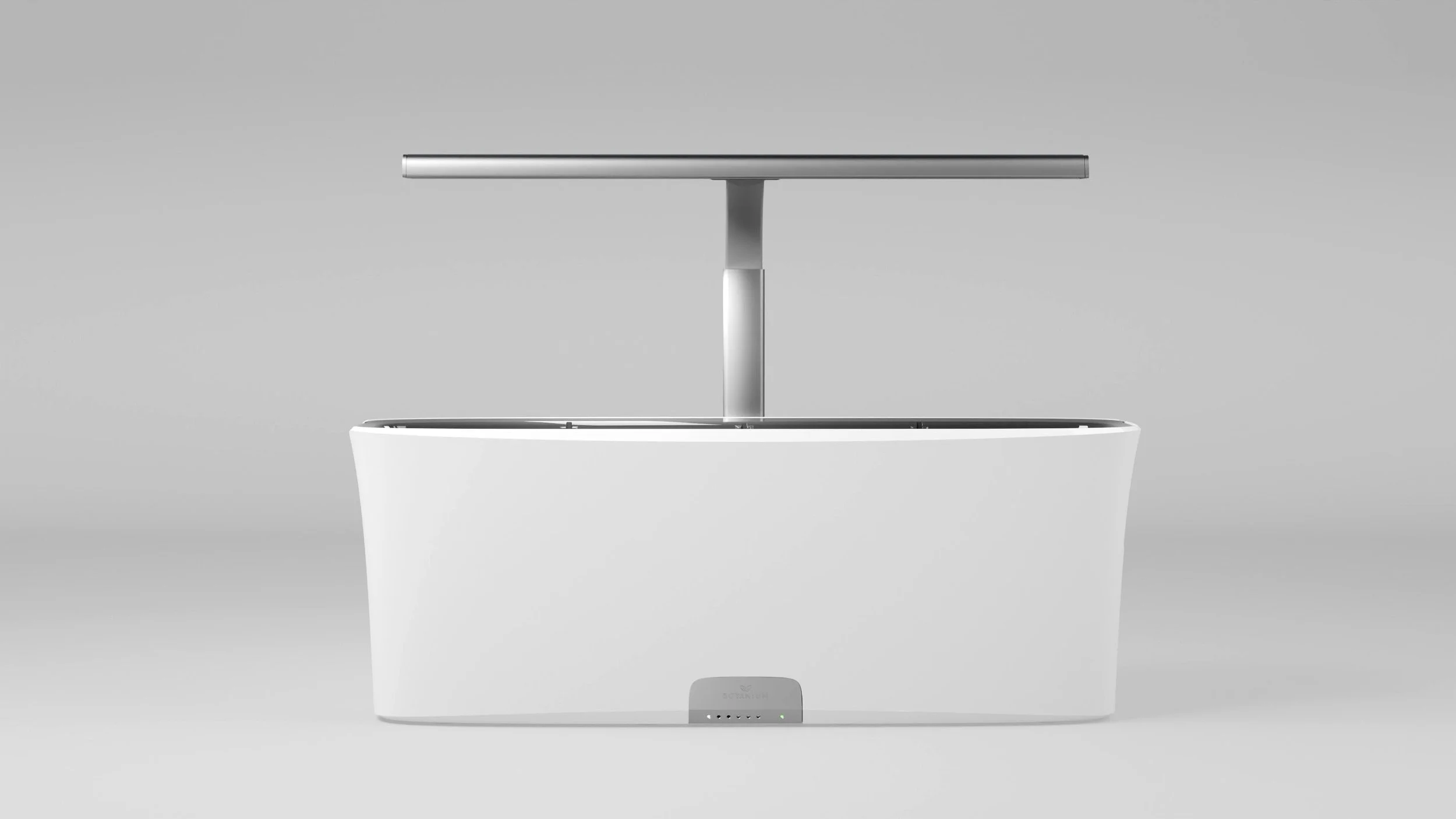
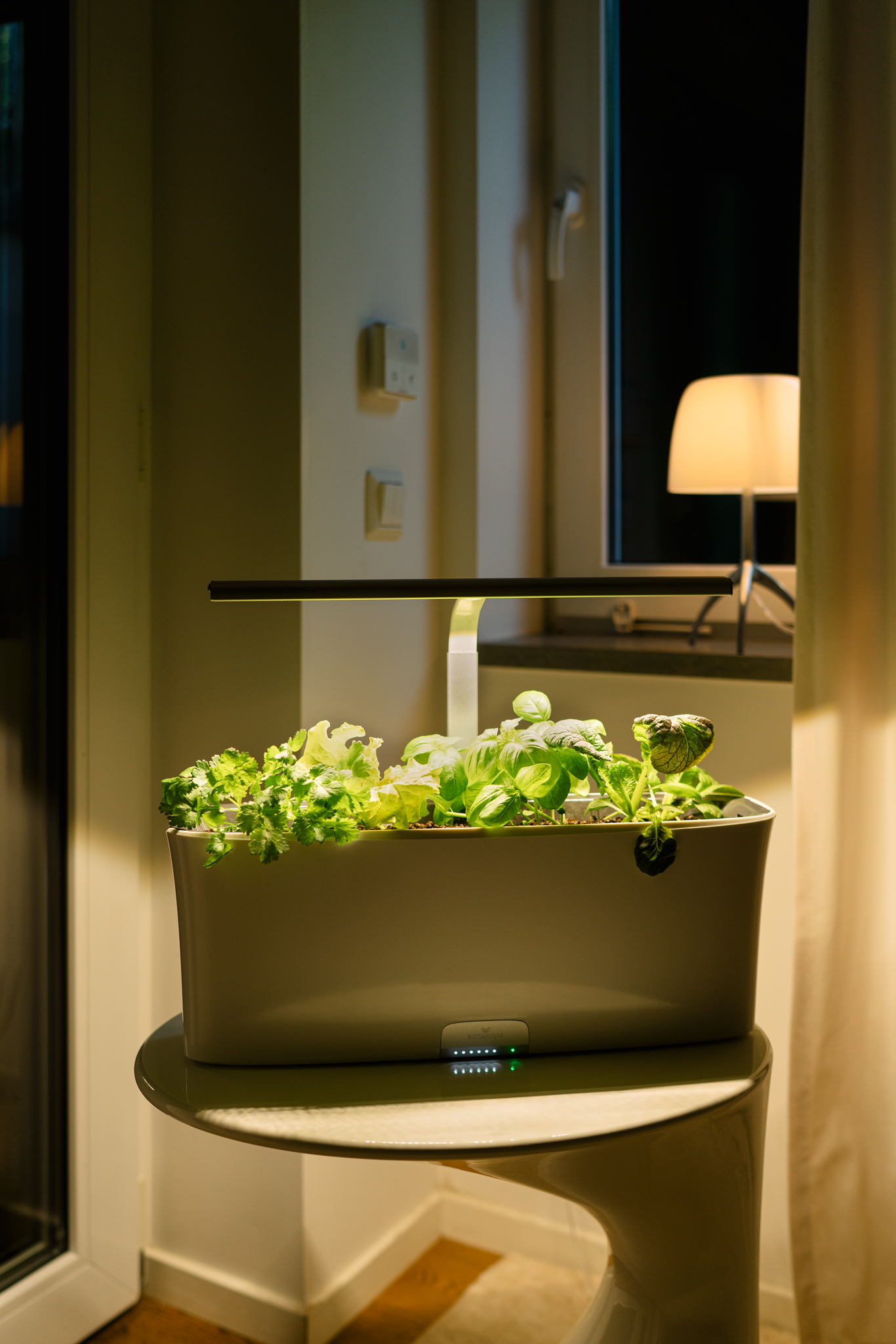
Botanium Vega has a slim profile, making it suitable for placing it on a windowsill, but can be placed anywhere in a home. Soil-less growing with automated watering makes sure it’s impossible to overwater or underwater the plants.
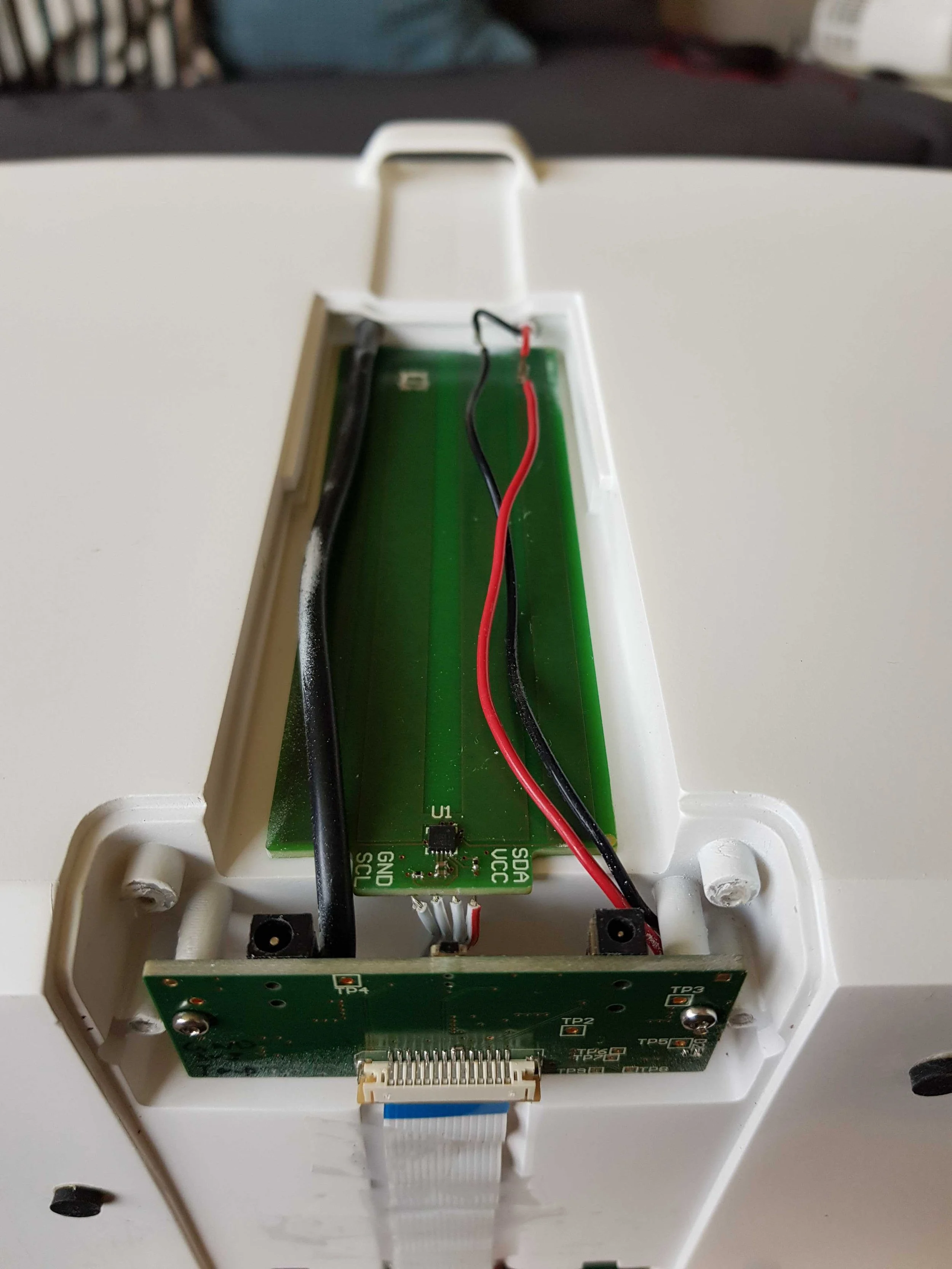
The water level is displayed at the front for easy check-ups, and refill is made by simply opening a lid at the right side.
Like its little brother, the Botanium, you plant seeds directly into the growing medium, connect the device to power and just refill the device with water and nutrients as needed.
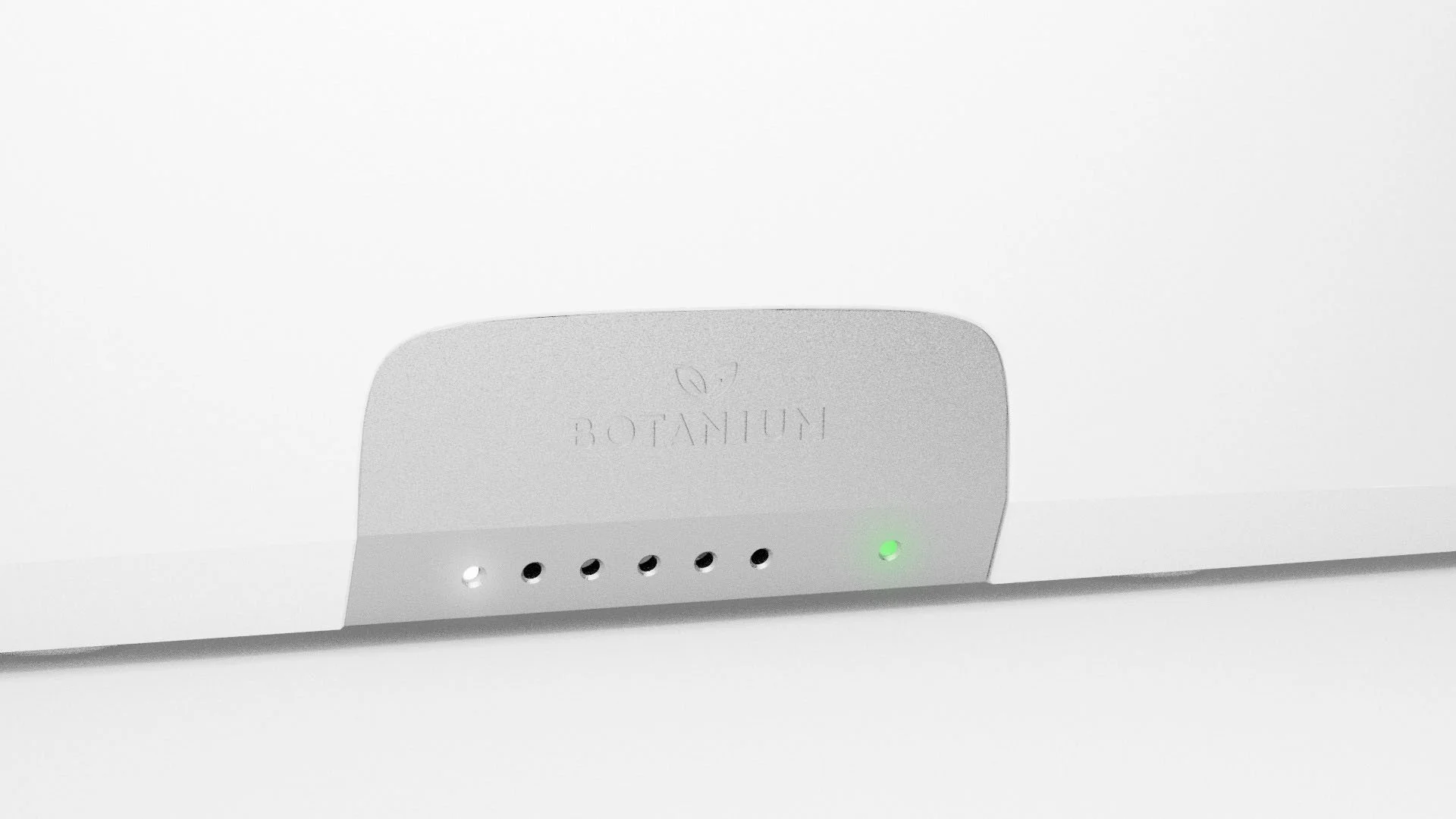
The water level is shown in six steps and you can easily tell when you need to refill the water tank. The RGB-LED to the right uses different colors to alert the user about wifi-connectivity issues such as poor signal, no pairing, no connection etc.
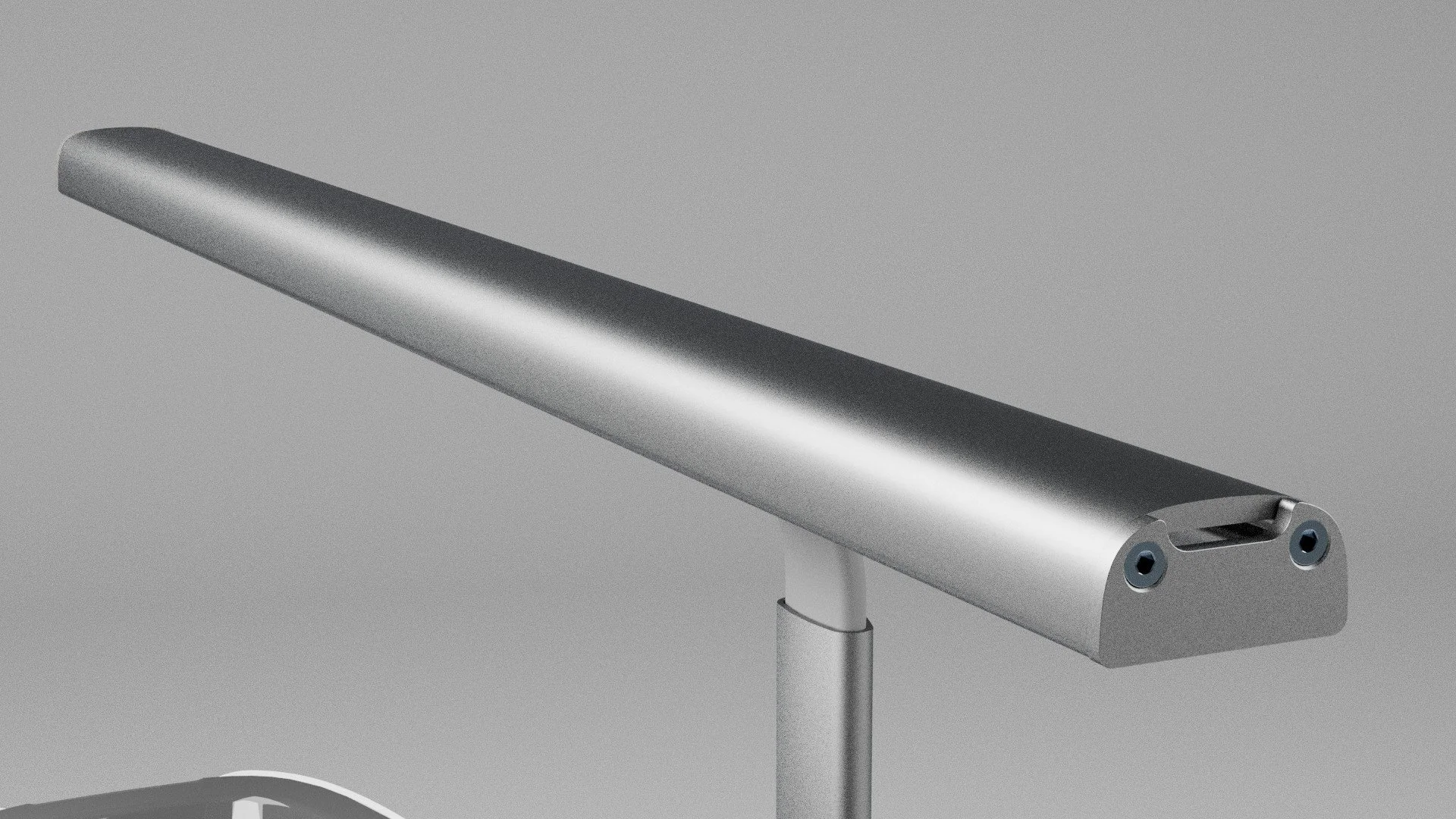
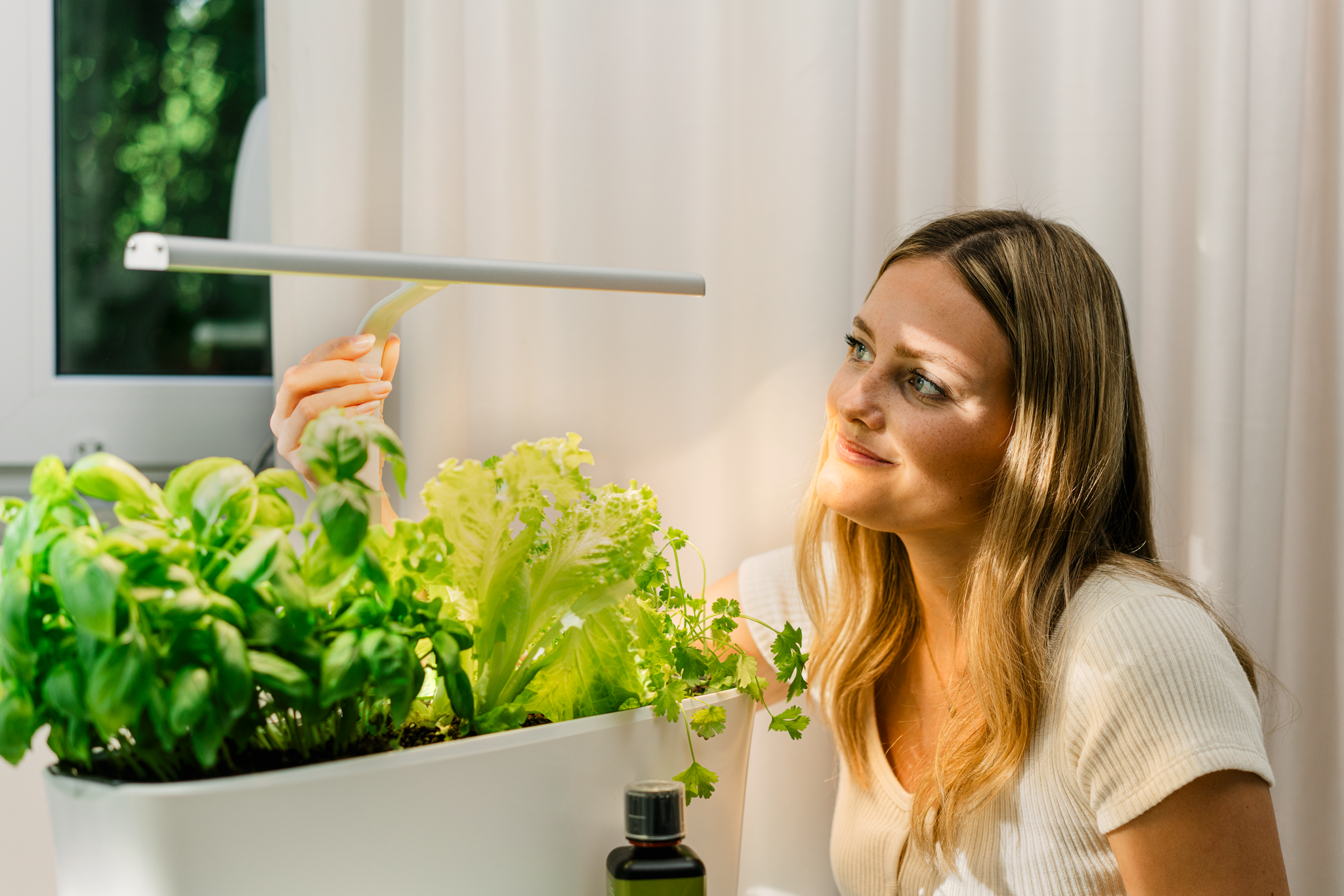
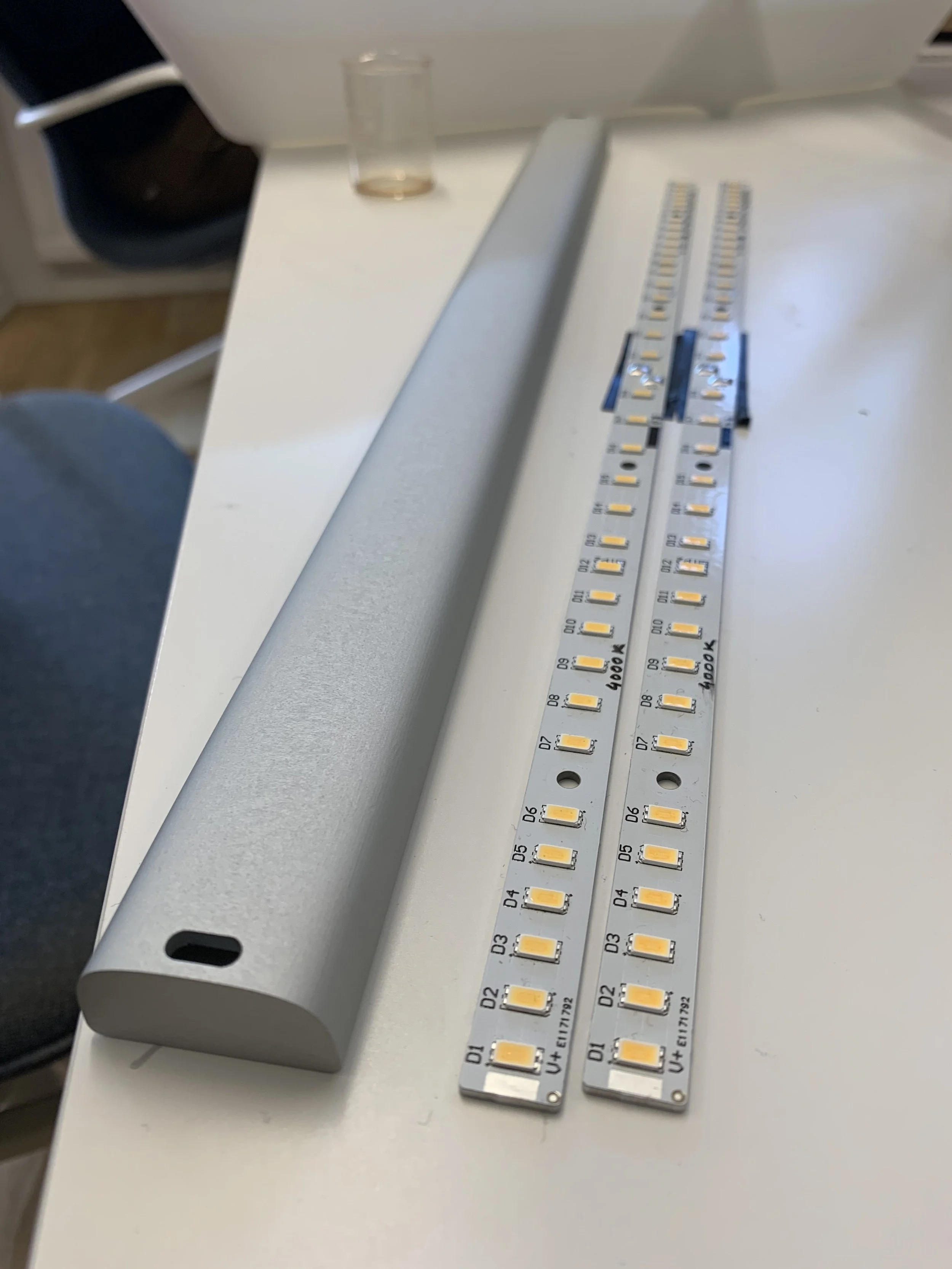
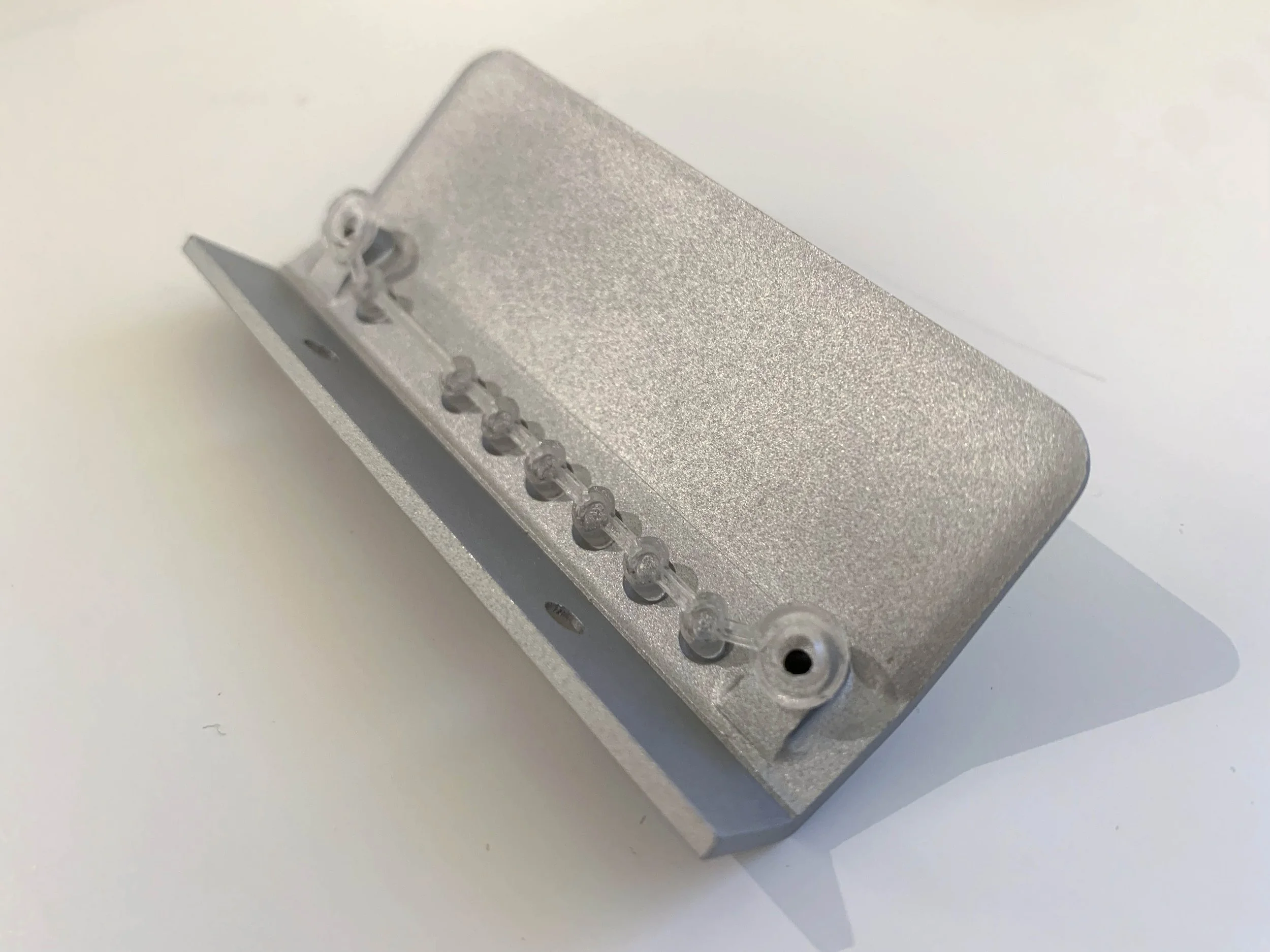
The anodised aluminum extrusion acts as a heatsink and a lampshade at the same time, enabling very efficient, glare-free lighting and a relatively cool surface that is safe to touch. The warm color temperature of 3500K makes for a pleasant hue, suitable for both plants and people.
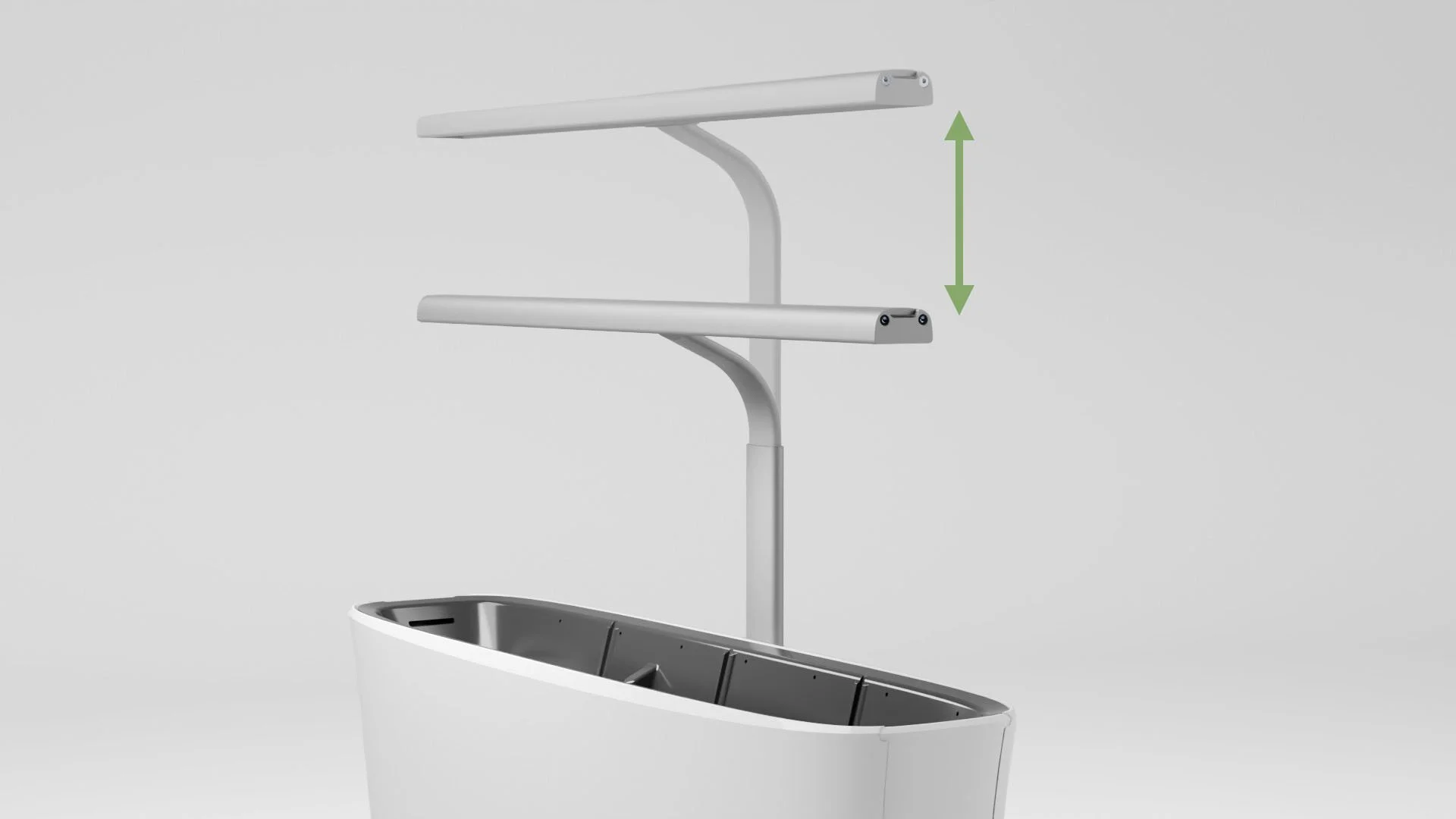
Without having to release any knobs or mechanisms, the lamp arm can be moved according to the size of the plants growing in the pot.
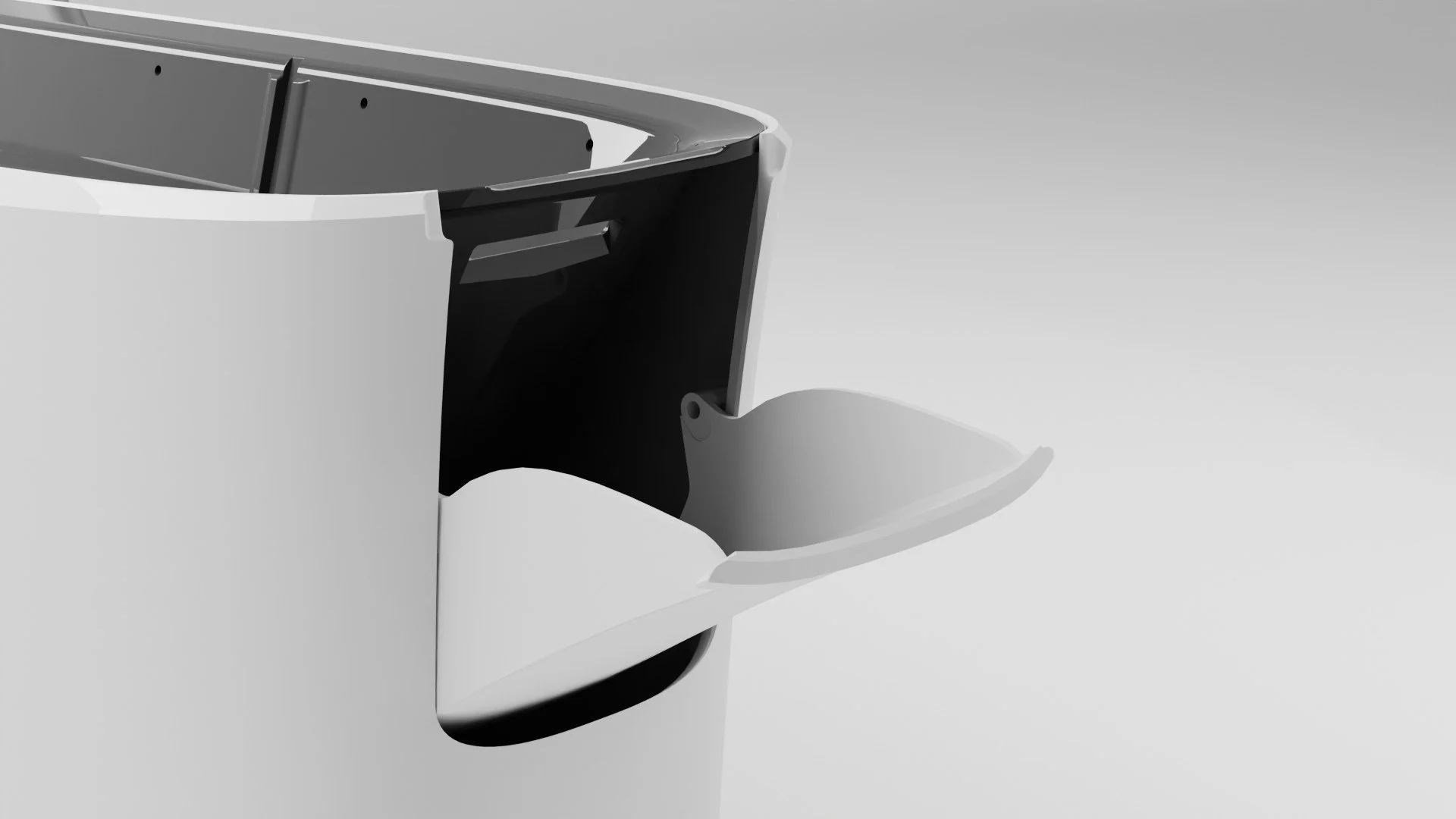
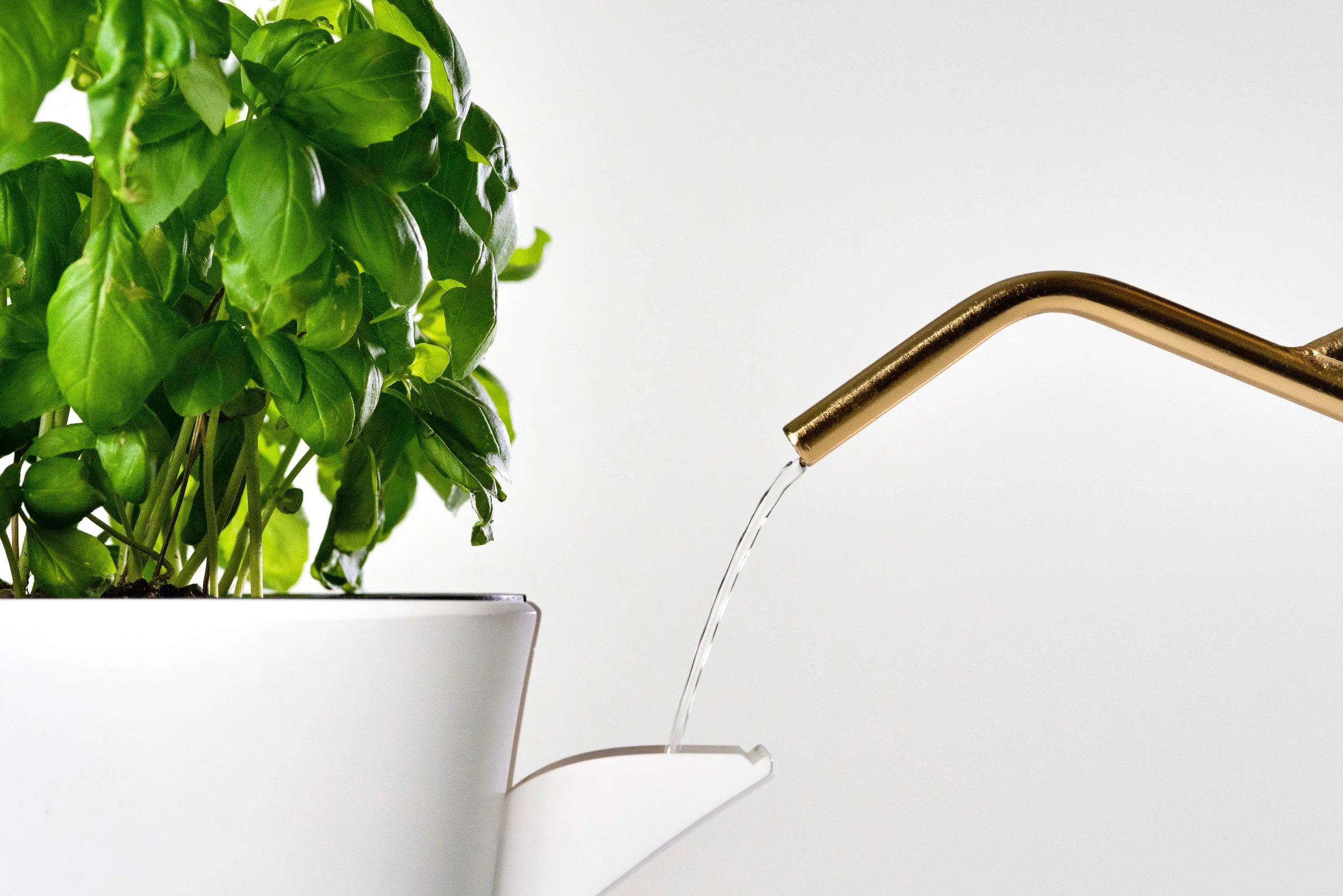
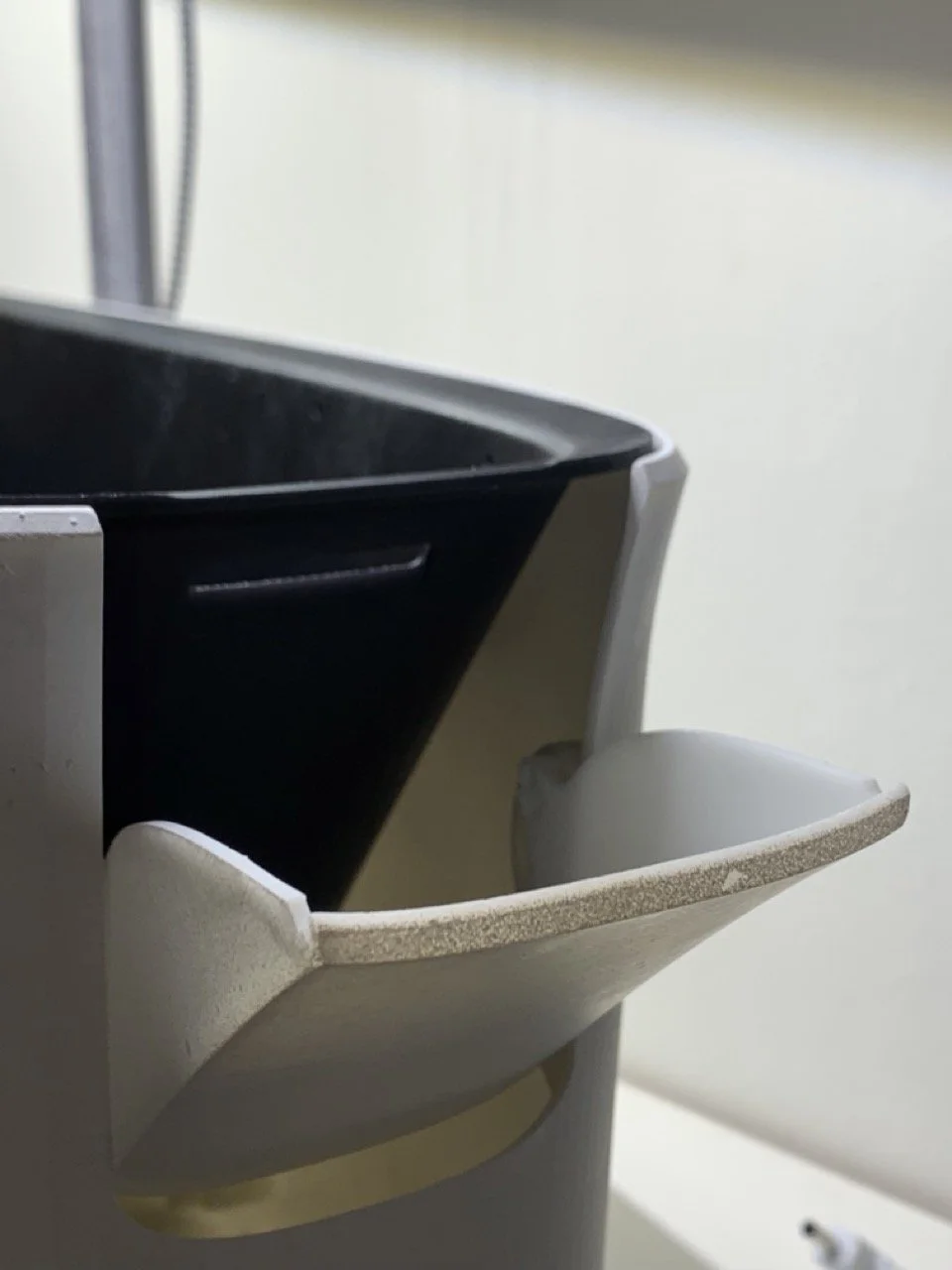
The water tank is refilled from the lid on the right side. This way, you don't need to remove the growing container to refill, which otherwise would be in the way.
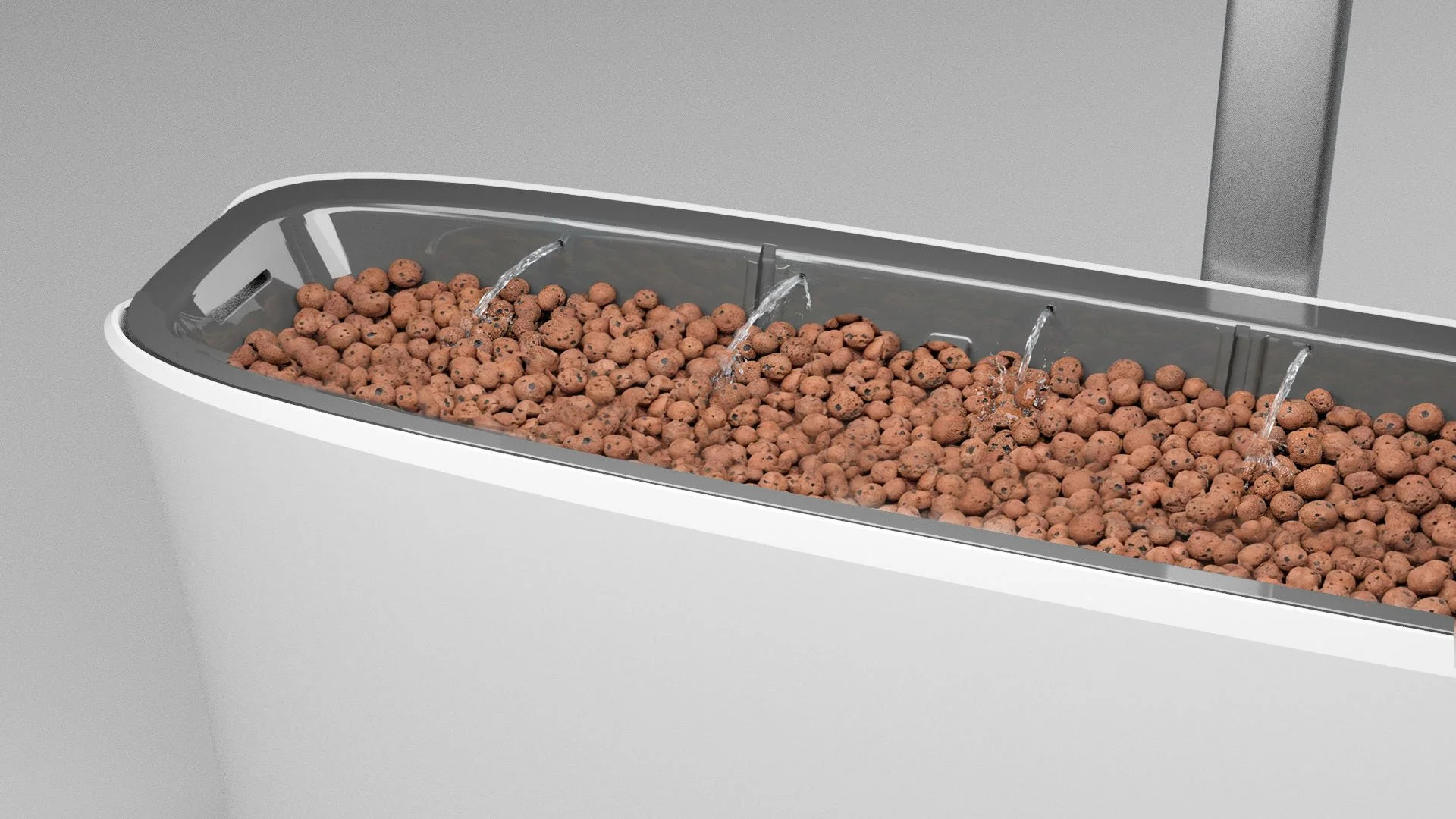
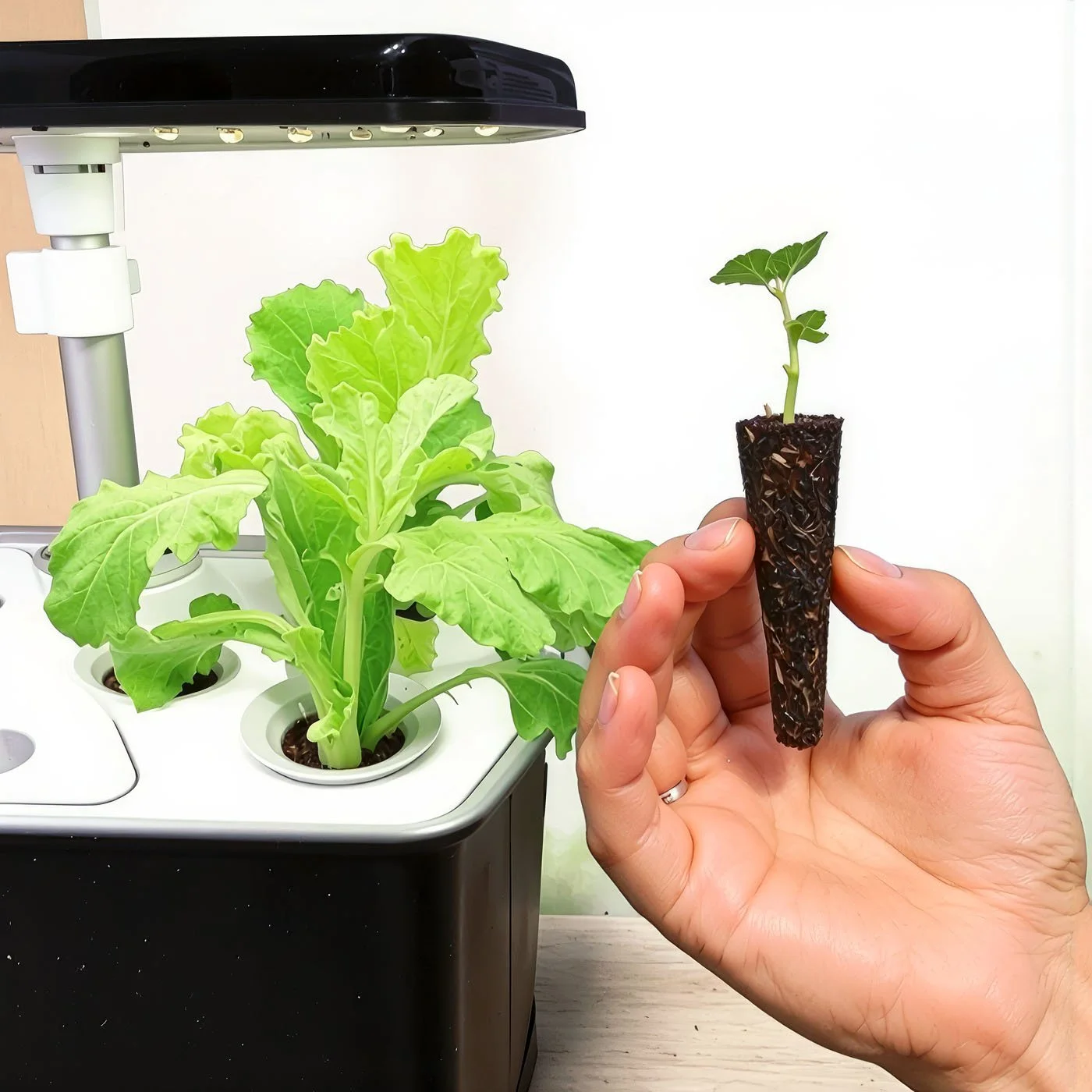
Instead of soil, the plants grow in balls of burnt clay (LECA). Regardless of the plants, this allows for a root environment that allows for regular watering every third hour. This kind of growing is called hydroponic growing,
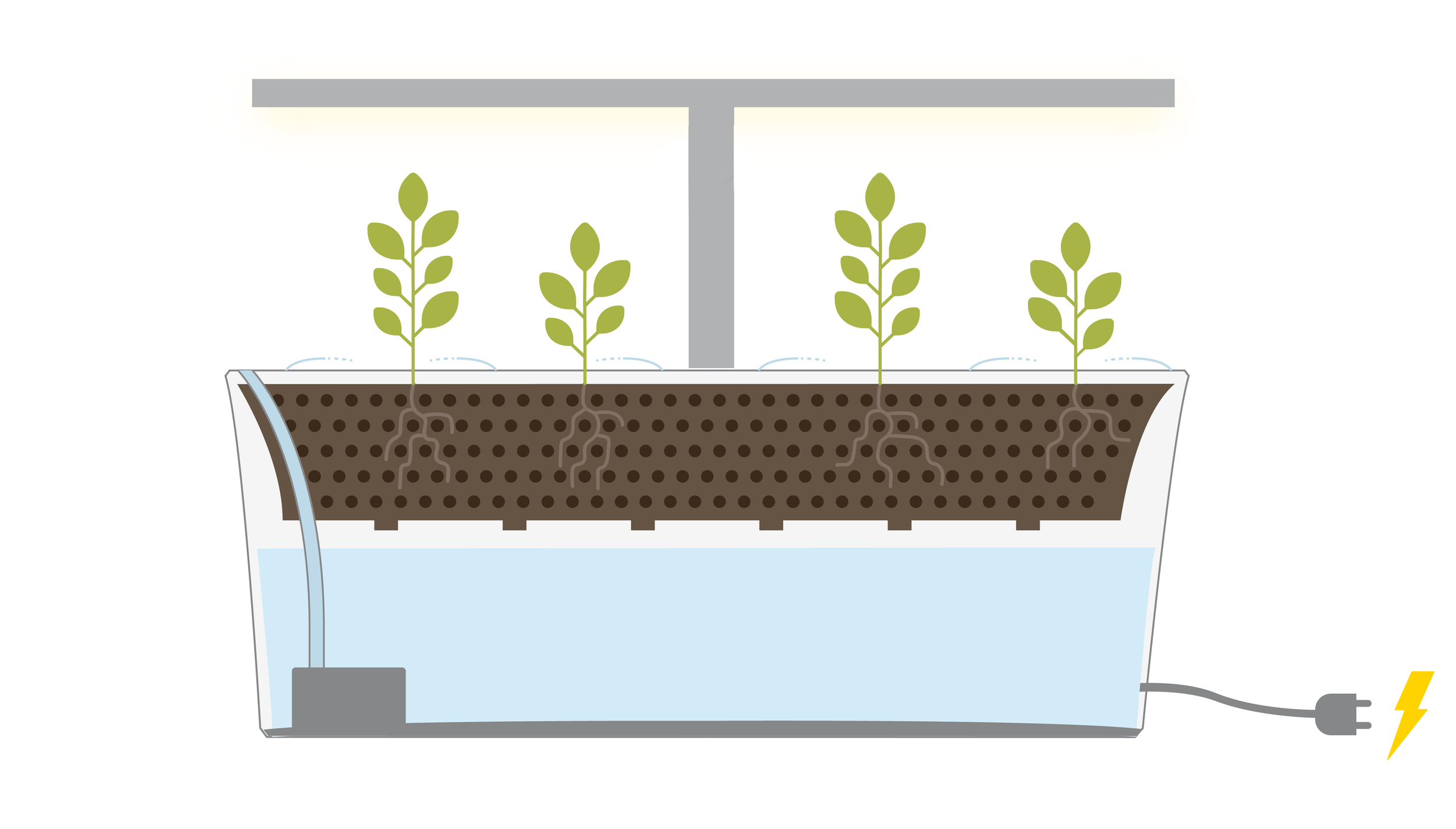
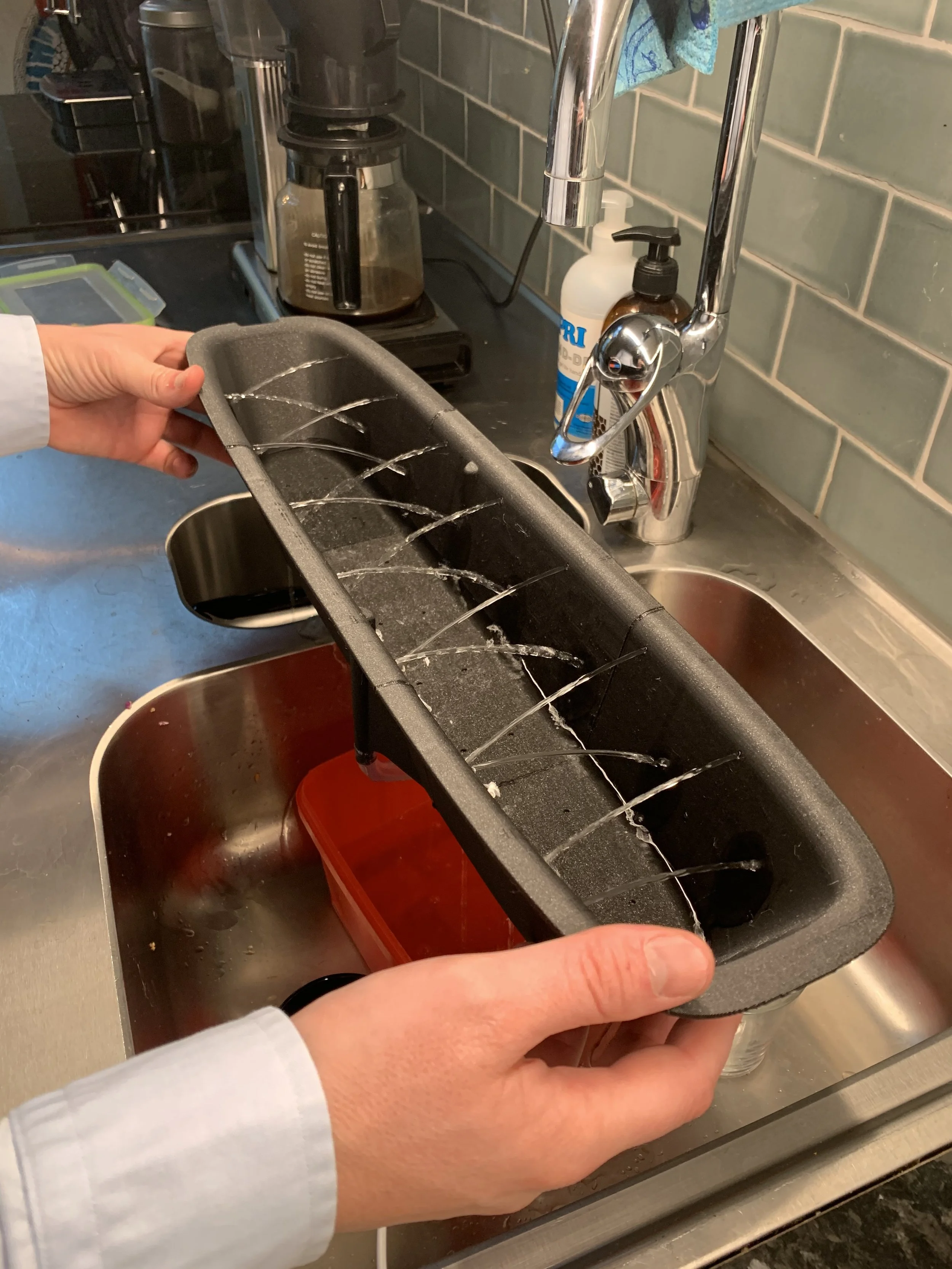
The water that is not absorbed by the growing medium and the roots is drained back into the tank, thus circulating and reusing the water.
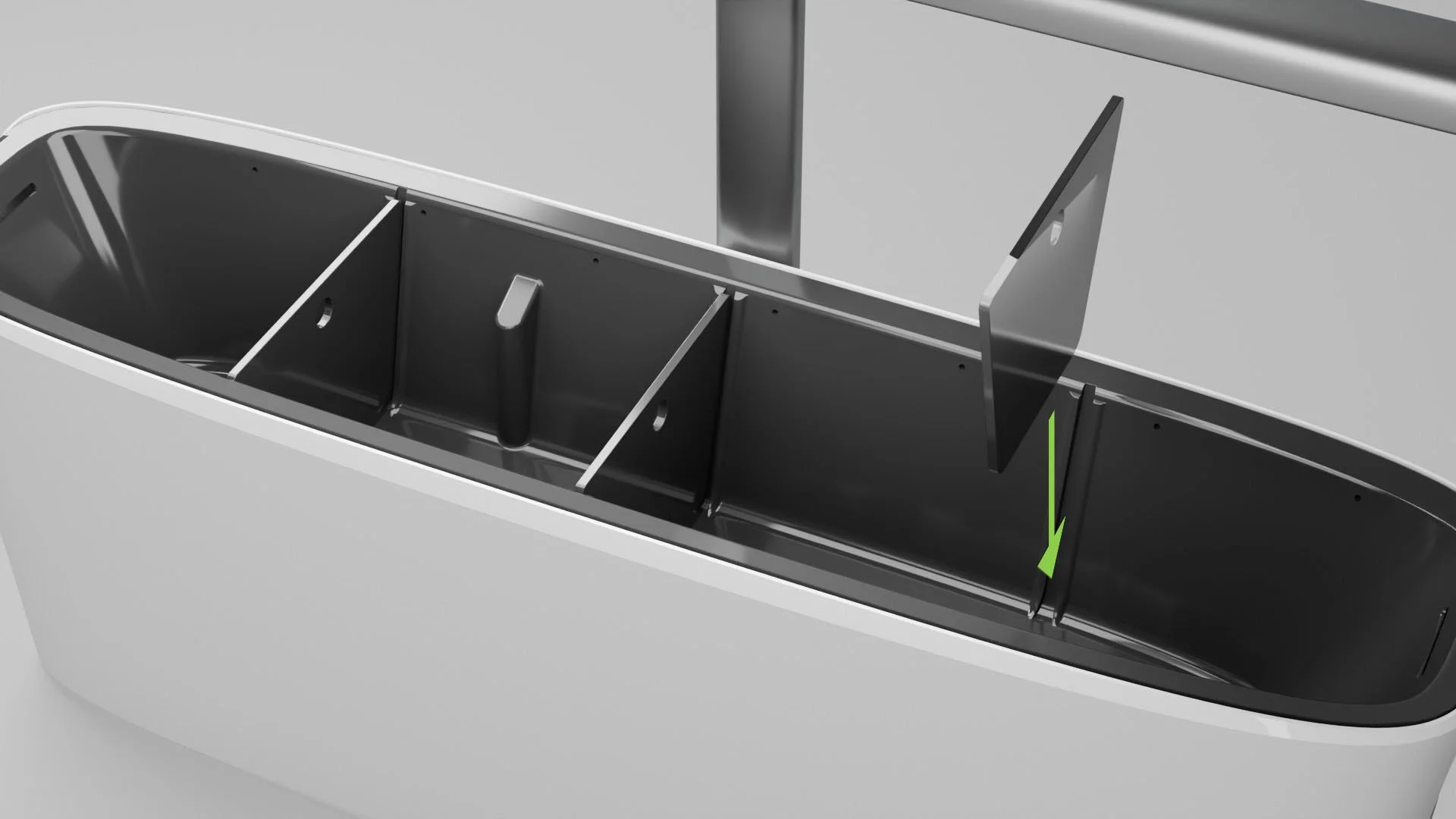
By putting in divider plates in the growing container, you can keep the roots from different plants to tangle. This enables you to easily remove plants in each section if you want to grow something new.
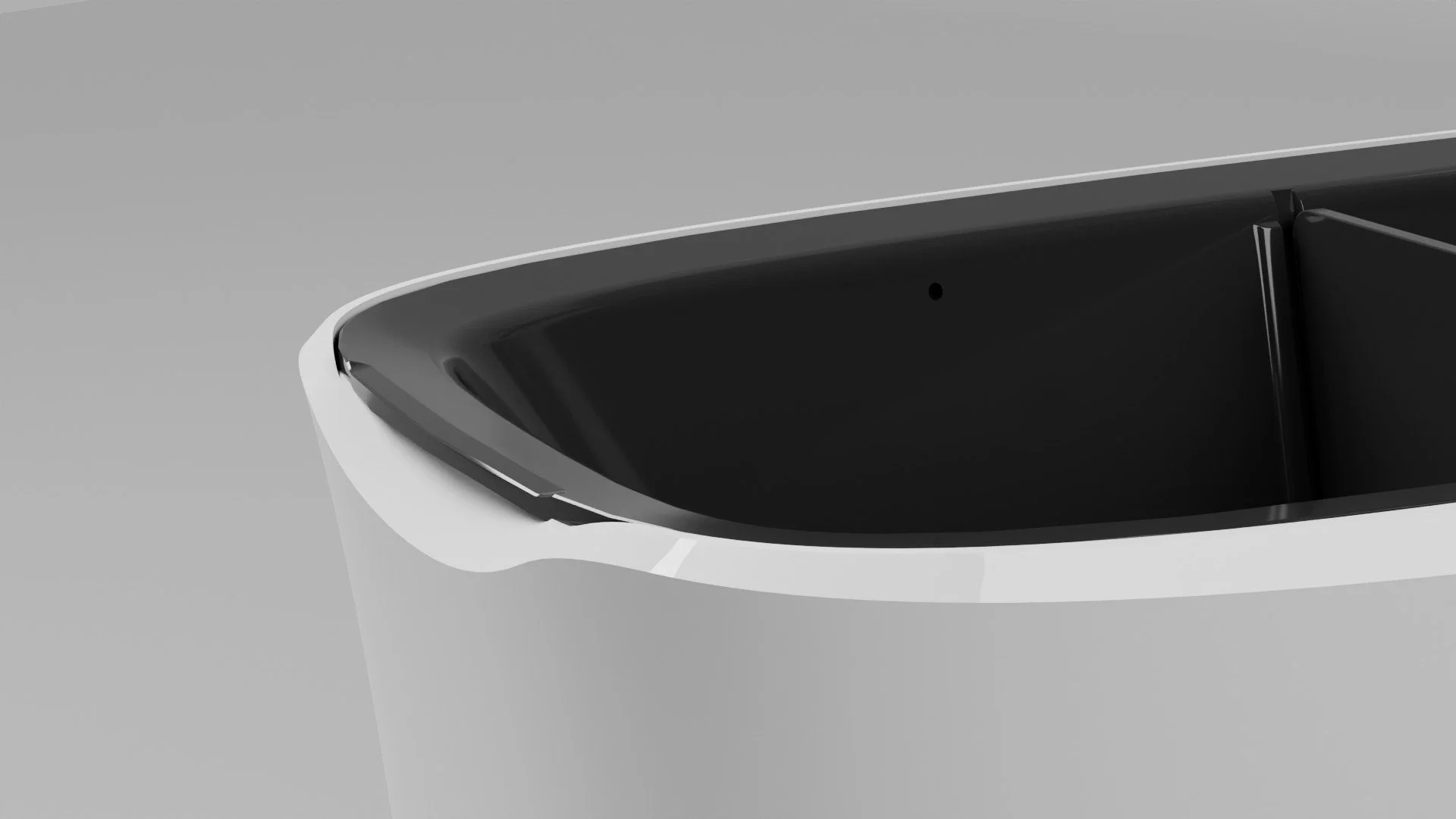
Cutout for easier grip on the growing container when it needs to be removed.
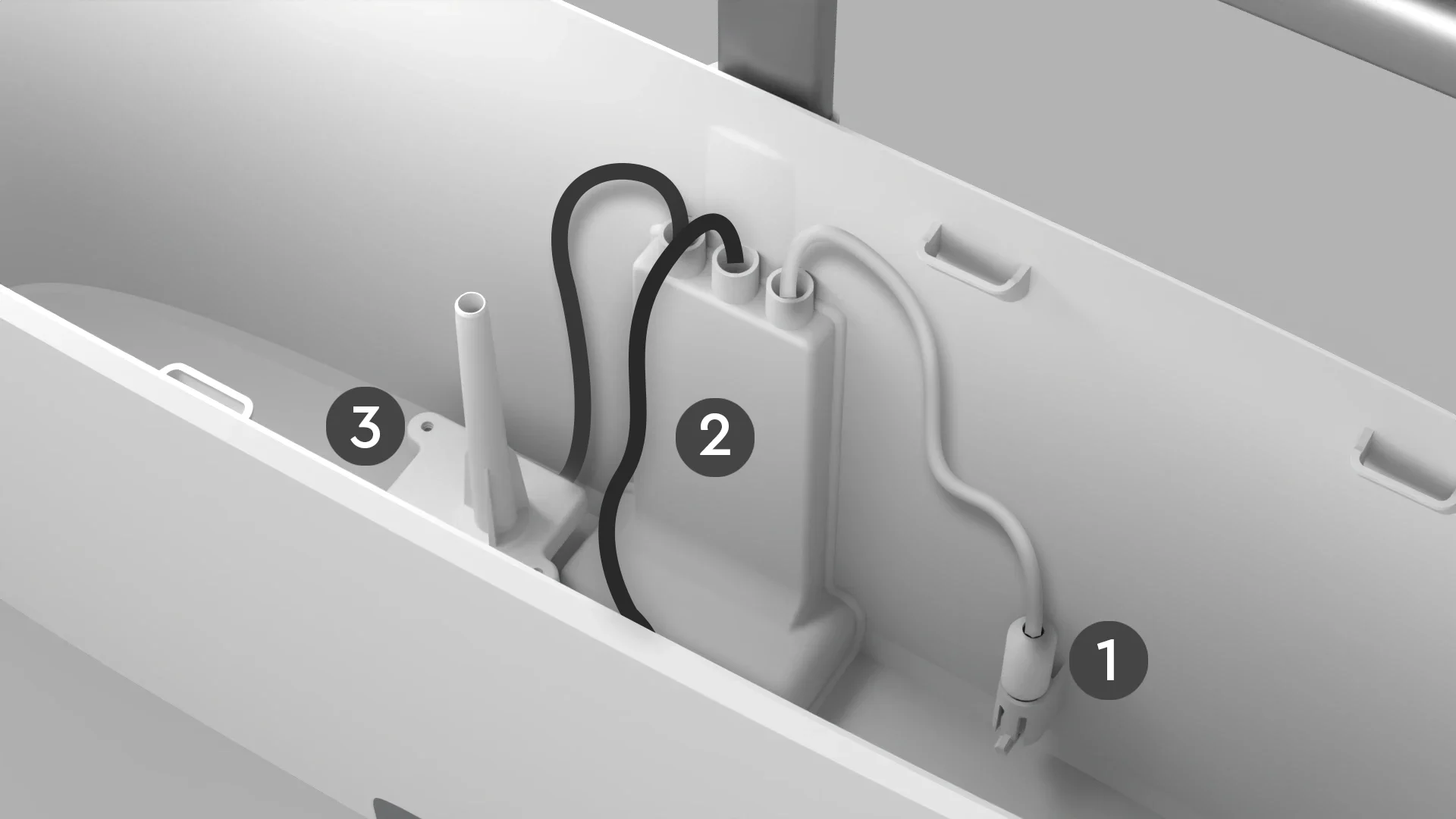
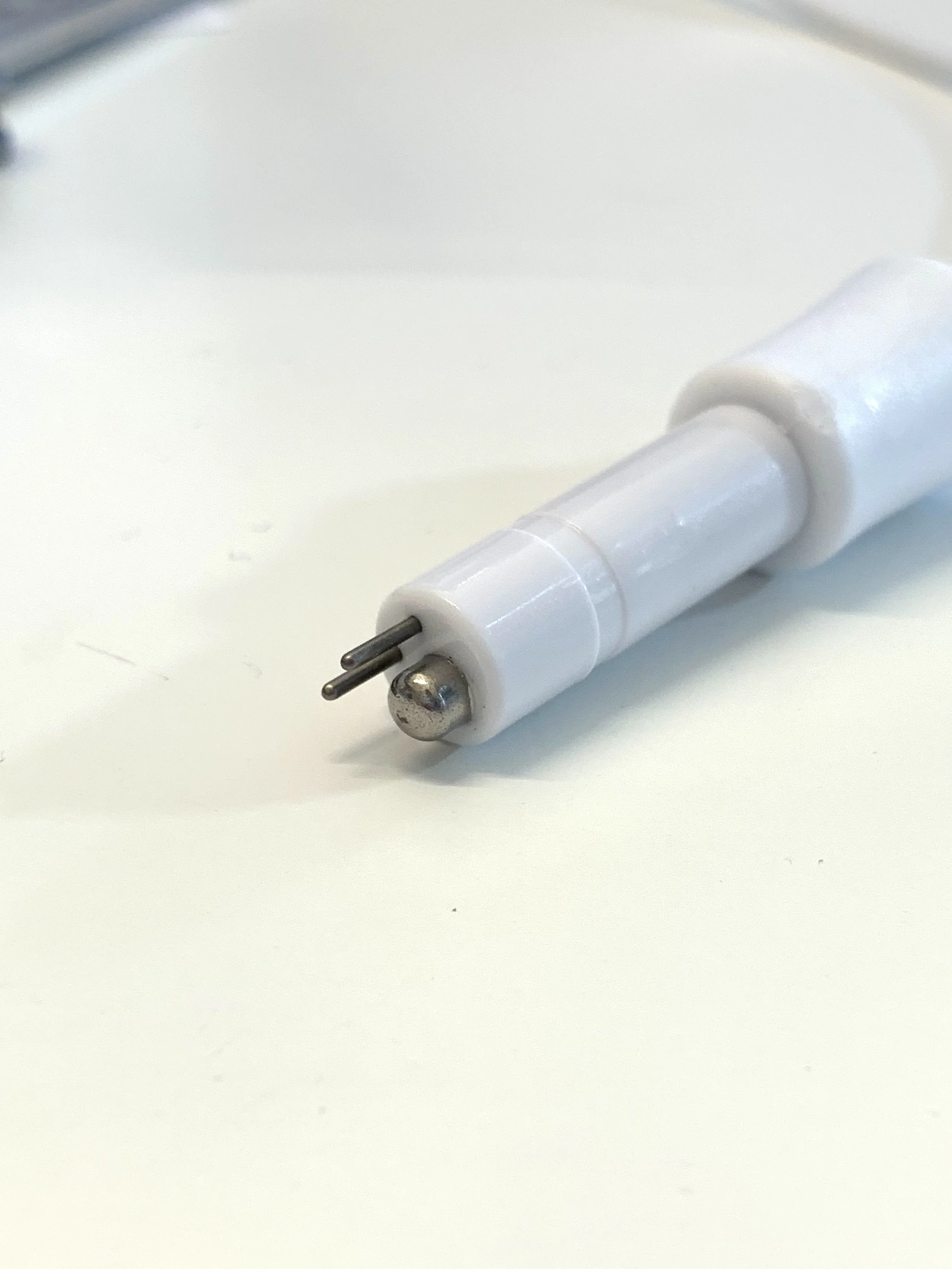
The water level is measured with a capacitive sensor (2), which allows for contact-less measuring. The nutrient concentration in the water is measured with an EC (electrical conductivity) sensor (1). One of the two water pumps is visible here too (3)
The app
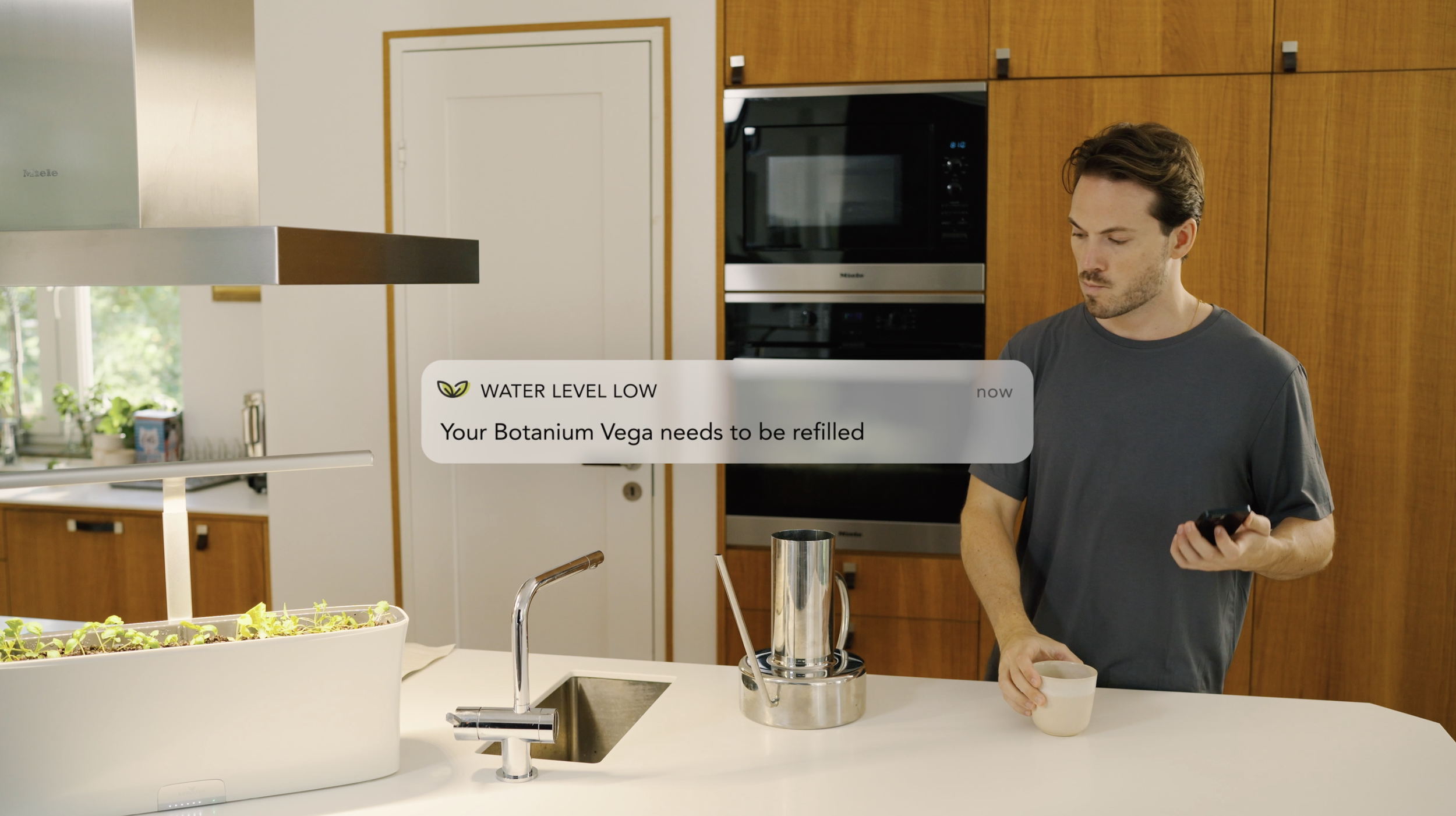
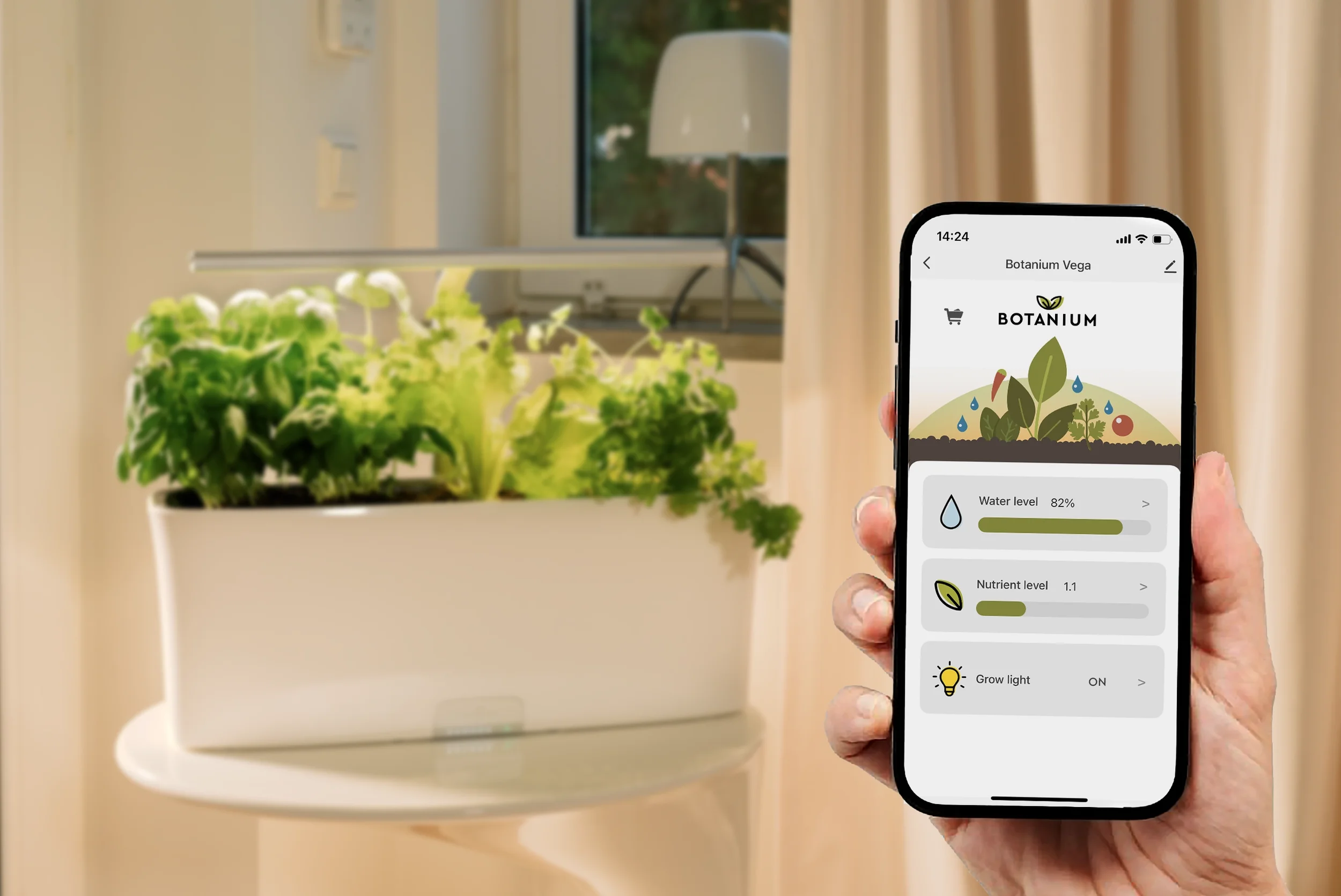
The app functions as a way to bridge the gap between plants and growers. It can show relevant data that the user needs to act on, and it also serves as a platform where you can control the Vega manually.
A crucial decision was that the app should complement the experience, but the device should work as intended without the app as well. The app is meant to add something useful rather than being a requirement.
Another important decision was whether to make it work only locally or remotely. By using a cloud service we could make the device more useful since the grower can get crucial notifications when they are not home. Also, this makes for a setup in which you don’t have to rely on bluetooth signals that can have limited range. In the end, we made it possible to use BT as a fallback if wifi doesn’t work. We used the company Tuya’s chips and cloud service, which had a working IoT-solution that suited our needs.
The envisioned experience
-
![]()
Main screen
Here you get an overview of the Vega, where you can access settings and add more units. Its meant to provide the user with the most important information, while moving settings and controls to other screens.
Displaying nutrient concentration in an intuitive way was one of the biggest challenges. When growing plants, you want to avoid the extremes (too little and too much fertiliser).
-
![]()
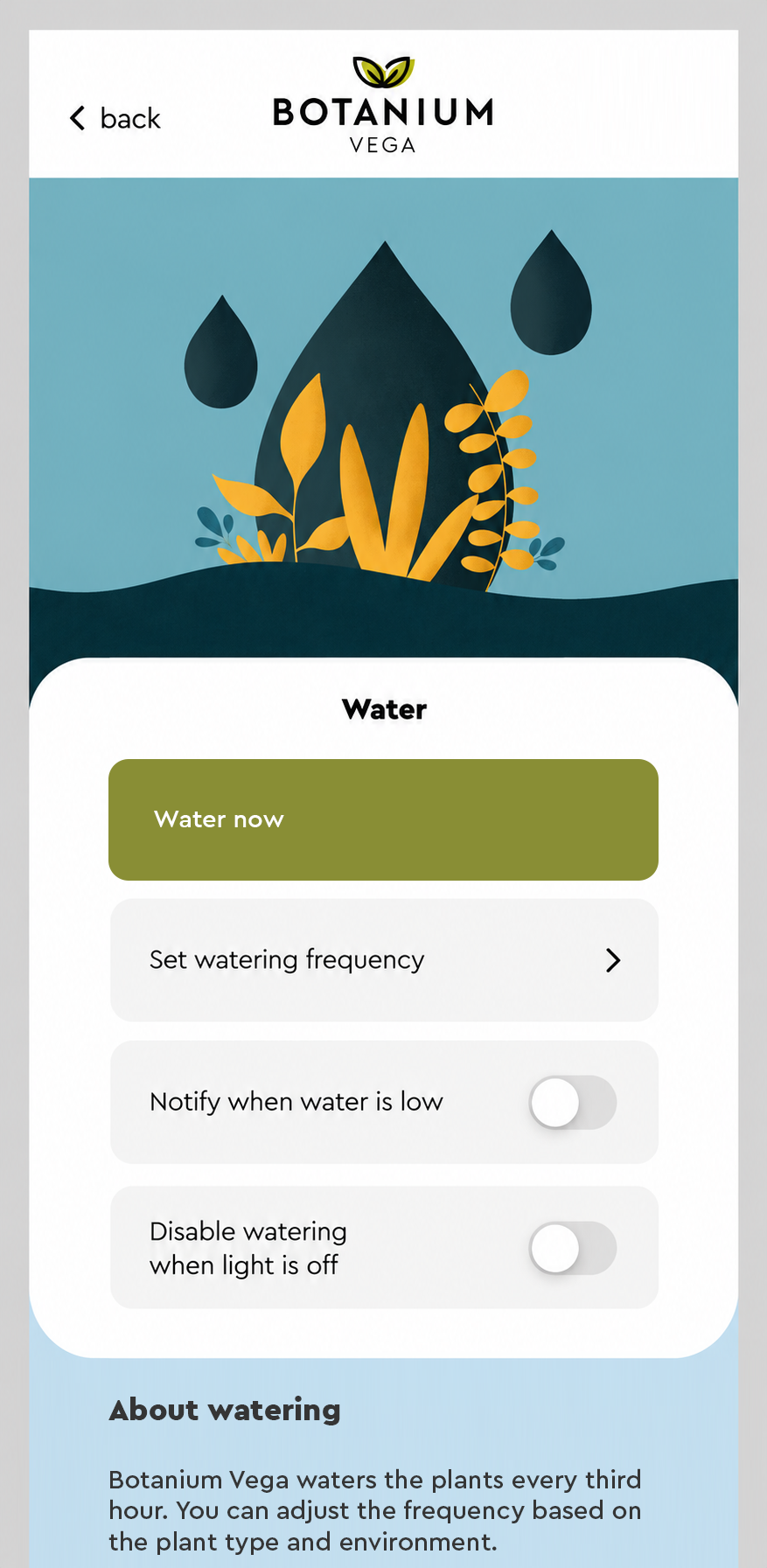
Watering
The watering button starts a 10-second watering. (instead of using a toggle, which could have the watering on indefinitely).
By disabling watering when light are off, the Vega is more silent during nights. It was important to make the product unintrusive.
-
![]()
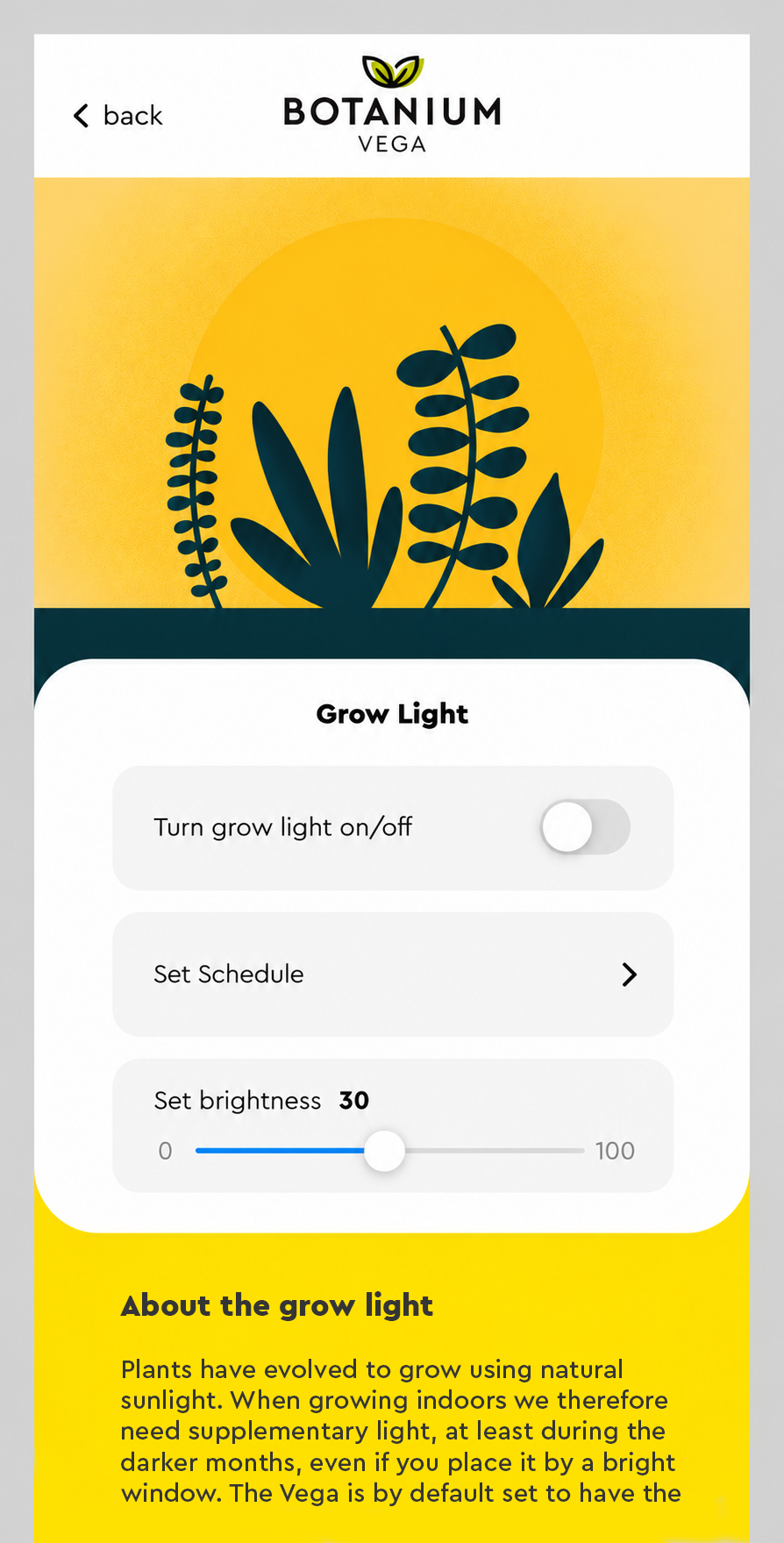
Grow light
Being able to set a schedule for the grow light means you can have it to start later during weekends, so that you don't wake up too early from the bright lights.
We made sure that the lamp softly ramps up to the desired brightness rather then turning on and off instantly.
-
![]()
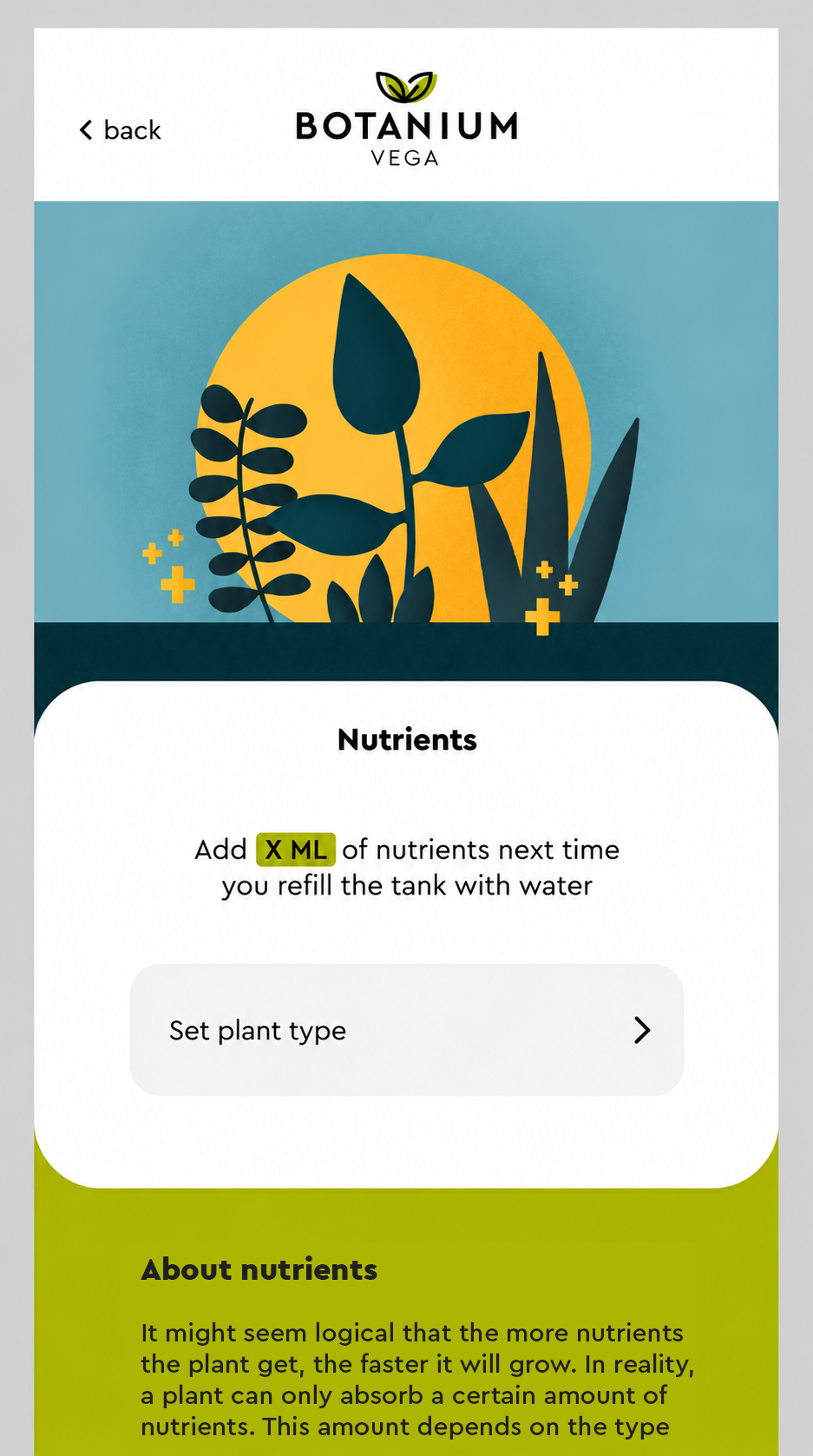
Nutrients
Since plants have different needs there needed to be a settings in which you can choose what plant you’re growing. The app can then, based on the water level and nutrient concentration, calculate exactly how much nutrients you need to add to the tank.
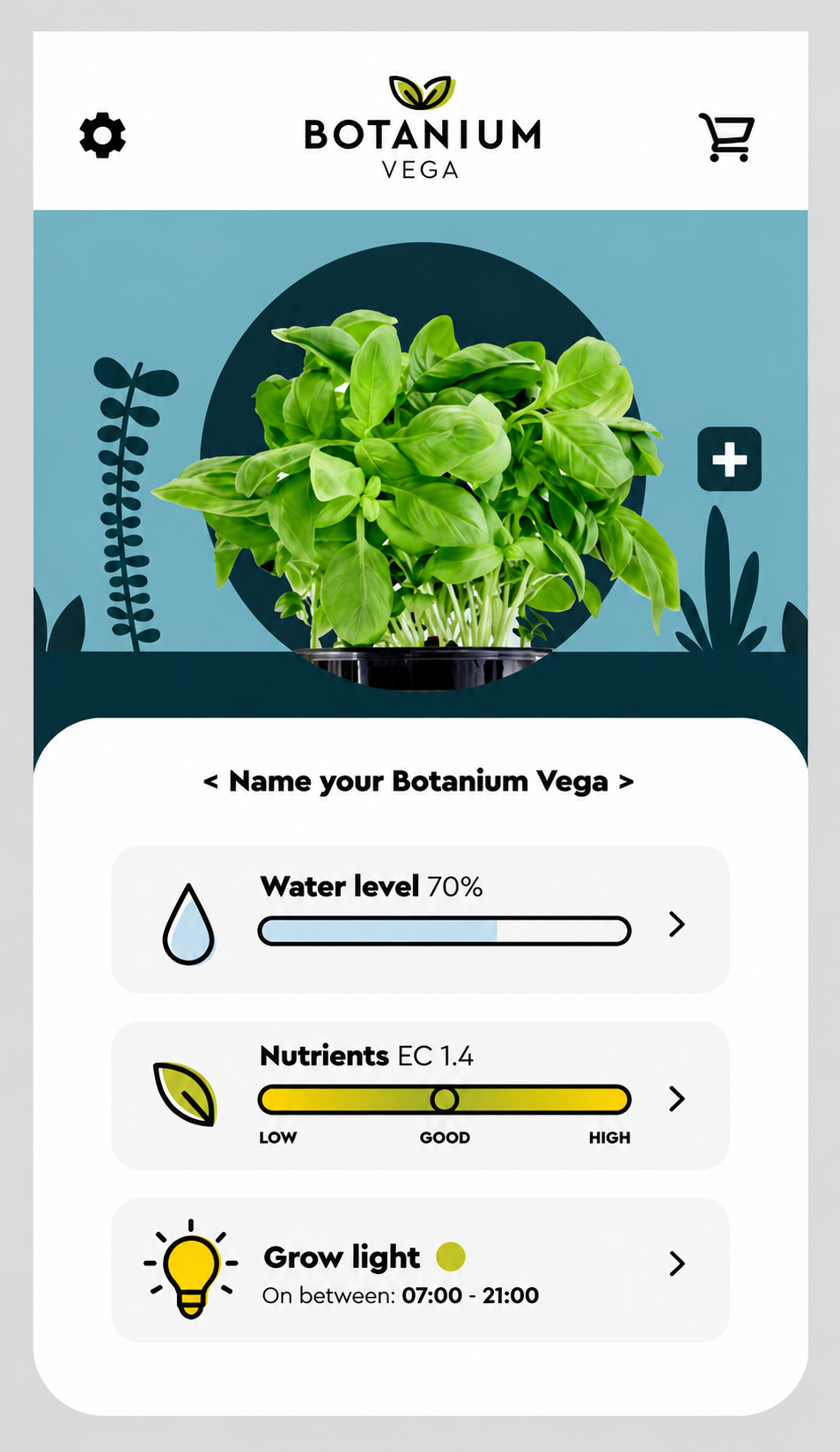
The implemented solution
As development costs increased, budget constraints led us to build the companion app using Tuya's IoT platform.
The platform's limited UI customization options required compromises in both layout and interaction design.
I adapted the original concept to work within these constraints, ultimately delivering a functional companion app for iOS and Android.
The biggest change was the presentation of the nutrient level, since there wasn’t any support in the platform for our design concept where both extremes (too little or too much) could be shown as yellow, and have the middle represent the desired state.
Also, there wasn’t a way to implement the automatic calculation of nutrient volumes.